
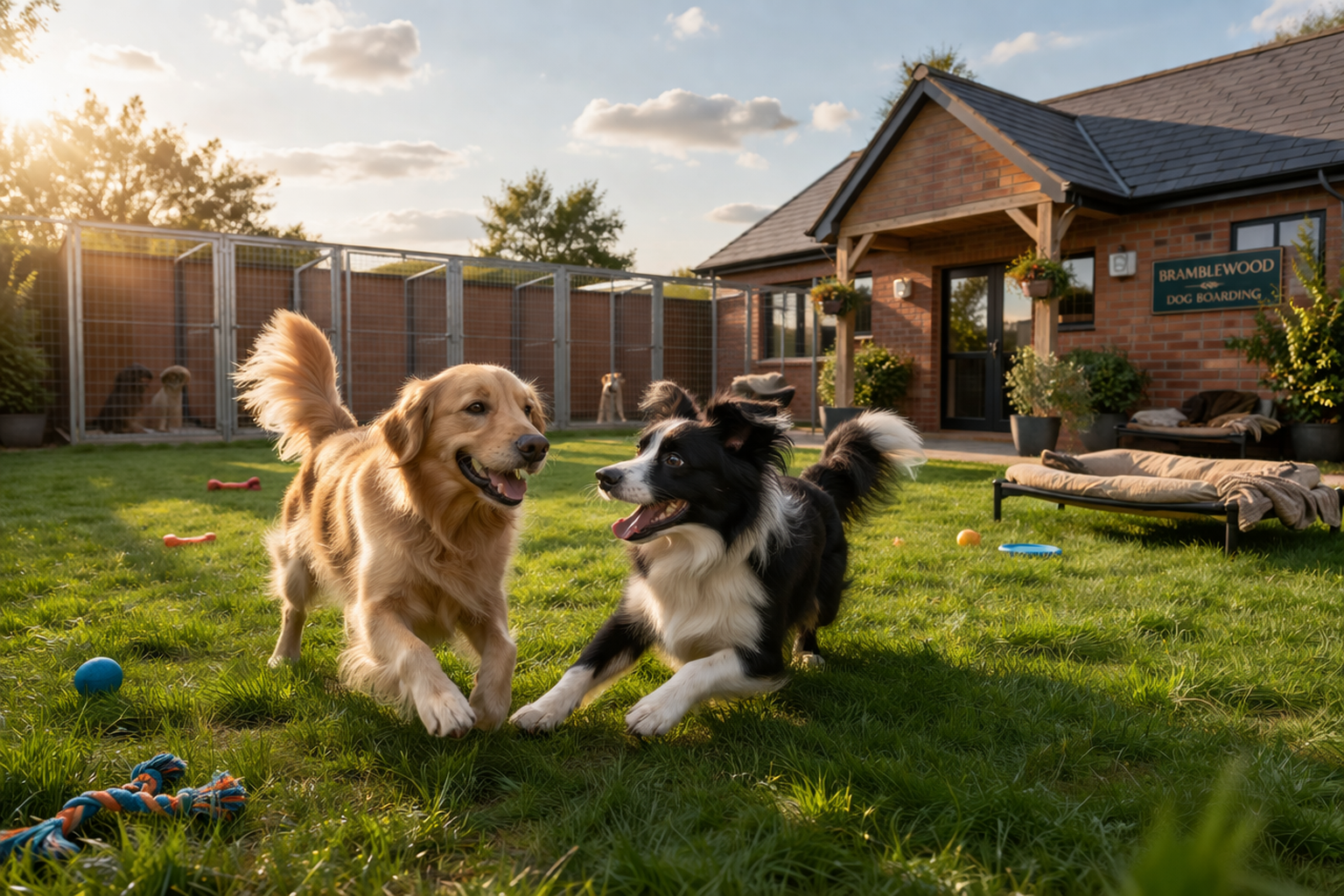
Choosing the right boarding kennel for your dog is one of the most important decisions you'll make as a pet owner. You need a licensed facility that will keep your dog safe, comfortable, and happy while you're away. This guide walks you through exactly how to research, evaluate, and select a kennel that meets both legal standards and your dog's individual needs.
The process involves five key steps: assessing whether kennel boarding suits your dog, creating a shortlist of licensed facilities, conducting phone interviews, visiting in person, and making an informed decision based on what you've observed.
Key Takeaways
- Start early: Good kennels book months in advance, especially during school holidays
- Verify licensing: All dog boarding facilities in England must be licensed under the 2018 Animal Welfare Regulations, with Wales having similar requirements under separate legislation
- Always visit in person: Reputable kennels will encourage facility tours and meet-and-greets
- Observe the dogs already there: Their behaviour tells you everything about the kennel's quality
- Ask specific questions: Vague answers about daily routines or emergency procedures are red flags
- Consider a trial stay: One night away gives you valuable insight before longer bookings
Before You Start: Is Your Dog Right for Kennel Boarding?
Not every dog thrives in a kennel environment. Before you start researching facilities, honestly assess whether this type of boarding suits your pet's personality and needs.
Dogs That Thrive in Kennels vs Those That Struggle
Confident, sociable dogs often enjoy kennel boarding. They're stimulated by the activity, comfortable around other dogs, and adapt well to new routines. Dogs that typically do well include those who:
- Enjoy meeting other dogs during walks
- Settle easily in new environments
- Don't suffer from severe separation anxiety
- Are comfortable with multiple handlers
However, some dogs find kennels stressful. Those who are reactive to other dogs, extremely anxious when alone, or have never been away from their family may struggle. Rescue dogs with unknown backgrounds might also find the environment overwhelming.
Alternative Options for Anxious or Reactive Dogs
If your dog falls into the "may struggle" category, consider home boarding instead. A licensed home boarder cares for your dog in their own home, usually with fewer dogs and in a more domestic setting. For dogs that can't be around other pets at all, professional house-sitting in your own home might be the best solution.
Age Considerations
Puppies under four months shouldn't go to kennels until they're fully vaccinated. Senior dogs with mobility issues or medical conditions need facilities equipped to handle their specific requirements, including comfortable bedding and easy access to outdoor areas.
Step 1: Research and Create Your Shortlist
Start your search at least 2-3 months before you need boarding, especially if you're travelling during peak times like school holidays or summer.
Start With Recommendations
The best kennels often come recommended by people you trust. Ask your vet, dog trainer, or groomer where they'd board their own dogs. Other dog owners in your area, especially those you meet at parks or training classes, can share honest experiences about local facilities.
You can search and compare options on Tailstays to see what's available in your area and read verified reviews from other pet parents.
Check Online Reviews and Social Media
Look for recent reviews on Google, Facebook, and specialised pet platforms. Pay attention to how kennels respond to negative feedback, professional, constructive responses indicate good management. Check their social media for photos of the facilities and happy dogs.
Create Initial List of 3-5 Potential Kennels
Don't just pick the first one you find. Having multiple options allows you to compare standards, prices, and approaches. Look for facilities within reasonable distance, you don't want to travel hours for drop-off and collection, especially if your dog gets car sick.
Verify Licensing Status
In England, all dog boarding facilities must hold a licence under the Animal Welfare (Licensing of Activities Involving Animals) (England) Regulations 2018, with Wales having similar requirements under separate legislation. You can verify a kennel's licence by contacting your local authority's licensing department. Never book with an unlicensed facility.
Step 2: Pre-Visit Phone Screening
Before visiting each kennel, conduct a phone interview to save yourself time and narrow down your options further.
Key Questions to Ask Over the Phone
Ask about their daily routine: how many walks, feeding times, and staffing levels. Enquire about their vaccination requirements, they should ask for core vaccinations plus kennel cough protection (timing varies by vaccine type - typically around 72 hours for intranasal vaccines or approximately 2 weeks for injectable versions).
Check their policies on special diets, medication administration, and emergency procedures. Ask about their experience with your breed or any specific needs your dog has.
Red Flags in Their Responses
Be wary of kennels that won't let you visit, can't clearly explain their daily routines, or seem reluctant to discuss their licensing. Vague answers about staffing qualifications or emergency vet arrangements should concern you.
Booking Your Facility Tour
Good kennels will actively encourage visits and often insist on meet-and-greets before accepting a booking. They should be able to accommodate visits during their normal operating hours when dogs are present, not just during quiet periods.
Step 3: The Kennel Visit (Your Most Important Step)
This is where you'll make your real decision. Trust your instincts, if something feels wrong, it probably is.
What to Observe During Your Tour
Notice the overall atmosphere. Are the dogs relaxed or stressed? Do they seem excited to see staff members? A good kennel will have happy, settled dogs who respond positively to their carers. Excessive barking, cowering, or signs of distress indicate problems.
Facility Checklist: Cleanliness, Security, Temperature
Check that kennels are clean without overwhelming disinfectant smells that might indicate poor ventilation. Look for secure fencing with no gaps or damage where dogs might escape or injure themselves. The temperature should be comfortable and appropriate for the season and individual dog needs.
Each dog should have adequate space to stand, turn around, and lie down comfortably. Water should be freely available in all kennels.
Staff Interaction and Qualifications
Watch how staff interact with the dogs. Do they know individual personalities and needs? The licence holder must demonstrate competence in animal care, though specific qualification requirements vary. More important is whether staff genuinely care about the animals and can answer your questions knowledgeably.
Exercise Areas and Daily Routine
Ask to see where dogs are exercised and how often. Individual exercise areas prevent conflicts between incompatible dogs. The kennel should have a clear schedule for walks, feeding, and cleaning that ensures each dog receives adequate attention.
Step 4: Evaluate Licensing and Legal Requirements
Understanding what the law requires helps you identify legitimate, well-run facilities.
UK Boarding Kennel Licensing Explained
Under the Animal Welfare (Licensing of Activities Involving Animals) (England) Regulations 2018, all commercial dog boarding facilities require a licence. This includes both traditional kennels and home boarding services where dogs stay in someone else's home. Licensed facilities receive star ratings from 1-5 based on their standards, with higher-rated establishments inspected less frequently.
What Licensing Covers
Licensed facilities must meet requirements for space, temperature control, hygiene, exercise provision, and emergency procedures. They're subject to regular inspections by local authority officers who can suspend or revoke licences if standards slip.
Verification
Ask to see the licence certificate, it should be current and displayed prominently. While reputable operators will have comprehensive insurance coverage, this is a separate business requirement from the licence itself.
Step 5: Make Your Decision and Book a Trial Stay
After visiting your shortlisted kennels, you should have a clear favourite based on your observations and gut feeling.
Comparing Your Options
Consider which facility felt most professional, where the dogs seemed happiest, and where staff answered your questions most thoroughly. Price shouldn't be your only consideration, the cheapest option might cut corners on care quality or staffing levels.
Trial Overnight Stay Benefits
If possible, book a single night before your main holiday. This lets you see how your dog copes with the environment and gives the staff a chance to get to know your pet. You'll also see how your dog behaves when you collect them, are they pleased to see you but relaxed, or are they stressed and clingy?
Use a platform like Tailstays to easily request bookings from your chosen kennels and compare what's available for your dates.
What to Observe When Collecting Your Dog
A well-cared-for dog should seem reasonably settled and show normal behaviour patterns. Staff should be able to tell you specific details about your dog's stay, what they ate, how they slept, any incidents or highlights.
Essential Questions Checklist for Kennel Visits
- Can I see your current licence and insurance certificates?
- What's your dog-to-staff ratio during the day and overnight?
- How many walks does each dog get, and for how long?
- What happens if my dog becomes ill or injured?
- Which vet do you use for emergencies?
- Can you administer medication if needed?
- What food do you provide, or can I bring my dog's usual brand?
- How do you handle dogs that don't get along with others?
- What information do you need about my dog's behaviour and preferences?
- Can I bring comfort items like favourite toys or blankets?
- How will you contact me if there are problems?
- What time are drop-off and collection, and is there flexibility?
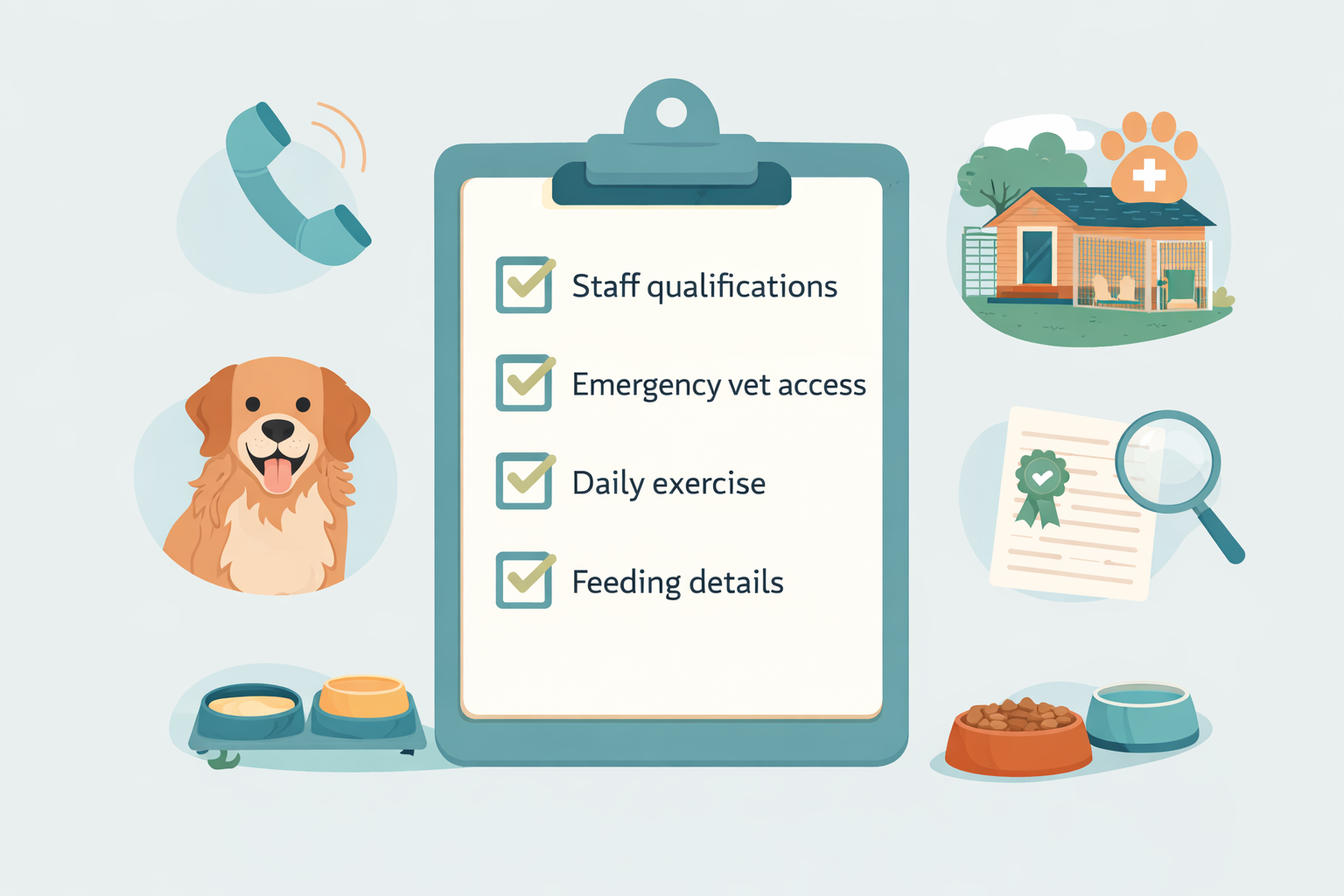
Now that you have these essential questions ready, explore boarding facilities near you on Tailstays to start comparing options and reading verified reviews.
Preparing Your Dog for Their Stay
Once you've chosen a kennel, proper preparation helps ensure your dog's stay goes smoothly.
Vaccination Requirements
All kennels will require core vaccinations (distemper, hepatitis, parvovirus, parainfluenza, leptospirosis) plus kennel cough protection. Intranasal kennel cough vaccines typically need around 72 hours to be effective, while injectable versions need approximately two weeks. Plan these timings when booking your dog's pre-boarding health check.
Comfort Items and Familiar Scents
Most kennels allow favourite toys, blankets, or items that smell like home. These familiar scents help reduce anxiety, especially during the first night. Pack items you don't mind losing in case they get damaged or mixed up with other dogs' belongings.
Information to Provide
Give detailed information about your dog's routine, preferences, and any behavioural quirks. Include feeding times, favourite treats, exercise needs, and how they respond to stress. The more staff know about your dog, the better they can provide appropriate care.
Red Flags: When to Walk Away
Some warning signs should make you immediately cross a kennel off your list.
Facilities That Won't Allow Visits
Any kennel that refuses to let you tour the facilities or meet the staff has something to hide. Reputable businesses welcome prospective customers and are proud to show off their standards.
Unlicensed Operations
Never book with unlicensed facilities, no matter how cheap or convenient. They operate outside legal requirements and you have no recourse if something goes wrong.
Poor Hygiene or Stressed Animals
Strong odours, dirty water bowls, or obviously distressed dogs indicate inadequate care standards. Trust your nose and your eyes, if conditions seem poor during a planned visit, imagine what they're like day-to-day.
Unqualified Staff or Vague Answers
Staff who can't answer basic questions about daily routines, emergency procedures, or their experience caring for dogs probably aren't properly trained. Professional facilities should have clear policies and knowledgeable team members.
Frequently Asked Questions
How far in advance should I book a kennel?
Book 2-3 months ahead for popular times like school holidays, Christmas, and summer. For regular weekends or off-peak periods, 3-4 weeks is usually sufficient. Good kennels fill up quickly, especially those with strong local reputations.
What vaccinations are required for kennel boarding?
Core vaccinations (distemper, hepatitis, parvovirus, parainfluenza, leptospirosis) plus kennel cough protection are required. Kennel cough vaccines need at least 3 days for intranasal or 2 weeks for injectable versions to be effective before boarding.
Can I bring my dog's own food to the kennel?
Most kennels allow and often prefer you to bring your dog's usual food to avoid digestive upset. Pack enough for the entire stay plus a little extra, clearly labelled with your dog's name and feeding instructions.
What if my dog needs medication while boarding?
Licensed kennels can usually administer routine medications, but check their policy during your visit. Provide clear written instructions, original packaging, and ensure there's enough medication for the full stay plus emergencies.
How can I contact the kennel while I'm away?
Reputable kennels provide emergency contact numbers and many offer updates via text or social media. Clarify their communication policy, some provide daily updates, others only contact you if there are problems. Choose what suits your anxiety level.