
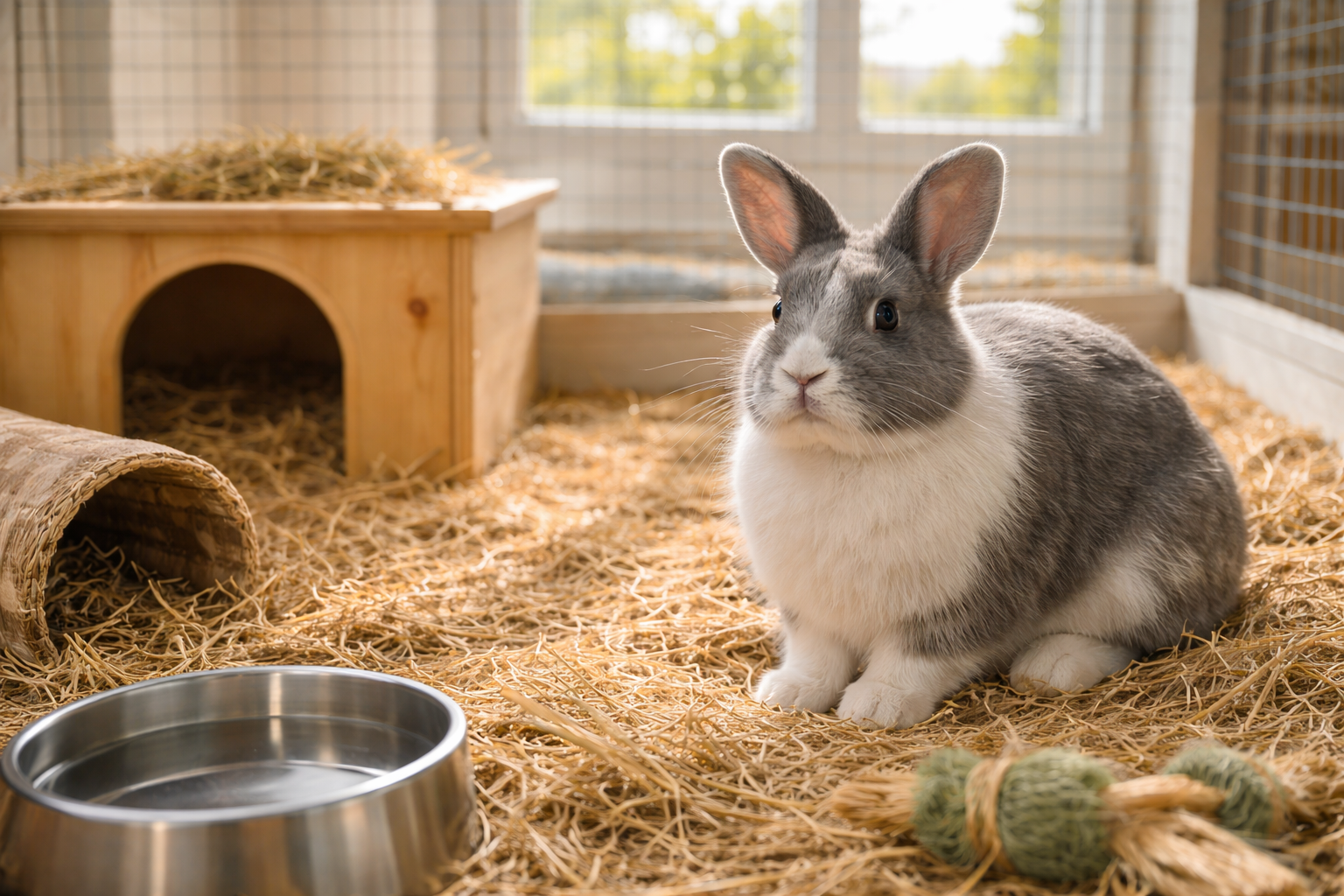
Finding boarding for a rabbit, guinea pig, or chinchilla is harder than for a dog or cat, most mainstream facilities don't accept small animals, and the ones that do vary wildly in their species knowledge. The right facility understands that guinea pigs need vitamin C, chinchillas can't get wet, and separating bonded rabbits can break their bond permanently.
Key Takeaways
- Species expertise matters most: A facility that's great with rabbits may know nothing about chinchilla temperature needs
- Expect to pay £15-25 per day for indoor boarding, with outdoor options typically cheaper
- Bonded pairs must stay together: Separating rabbits or guinea pigs causes severe stress and can break bonds permanently
- Small animal boarding generally isn't licensed under the 2018 Regulations, making your own vetting essential
What Each Species Needs
Rabbits have the most complex boarding requirements. Bonded pairs must stay together, separation causes severe stress. They need daily exercise outside their accommodation, a specific diet of hay, pellets, and fresh vegetables, and staff who understand their delicate digestive systems. Gut stasis from sudden diet changes can be life-threatening. See our guide to finding safe rabbit boarding for full details.
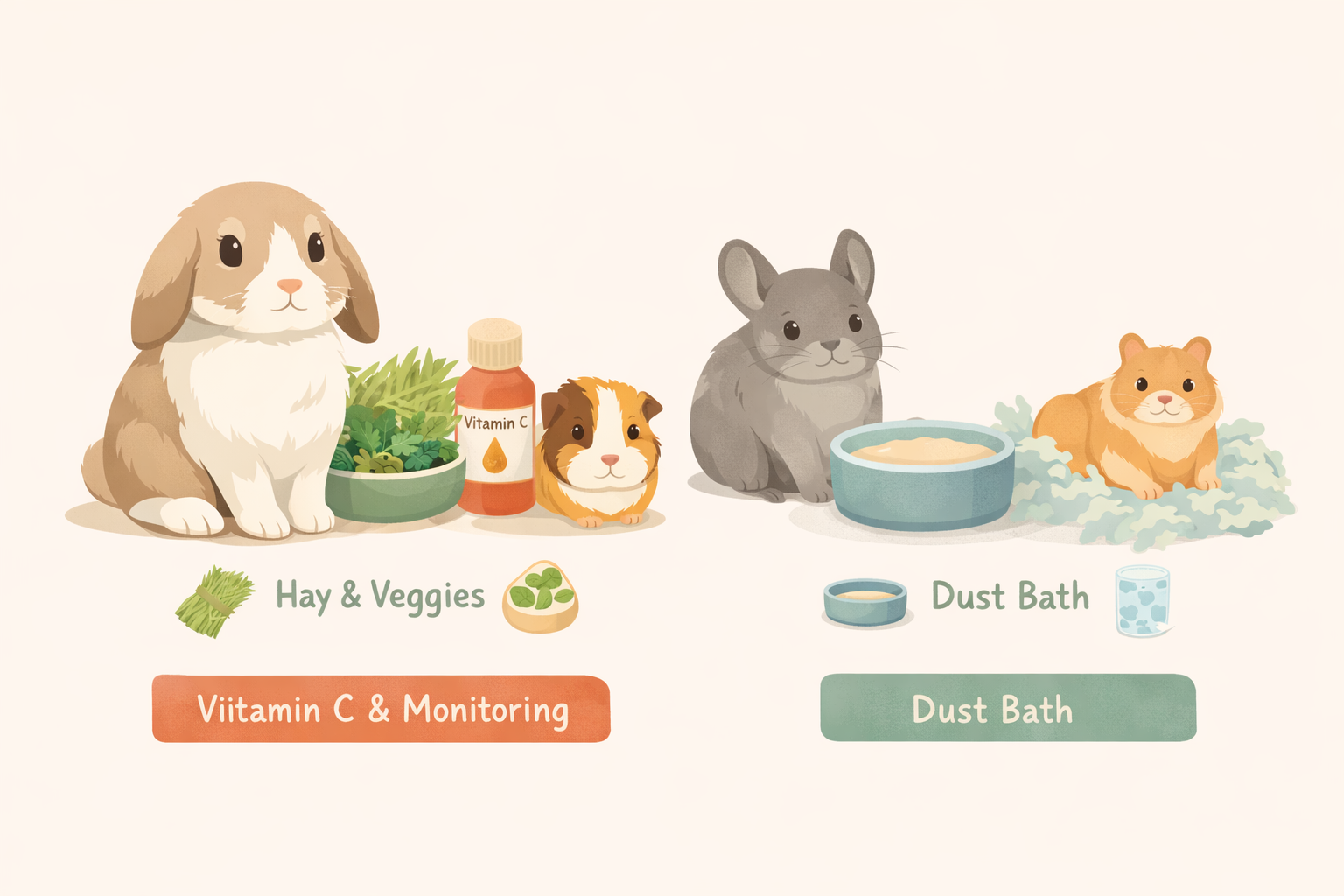
Guinea pigs are highly social and temperature-sensitive. They need constant access to vitamin C through fresh vegetables or supplements, as they can't produce it naturally. Temperatures that are too cold or too hot cause serious health issues, making climate-controlled indoor boarding essential for most of the year.
Chinchillas require dust baths 2-3 times weekly and must never get wet, water causes fur rot and hypothermia. They need cool, low-humidity conditions (below 24°C). Standard pet boarding rarely meets these requirements.
Hamsters, rats, and ferrets each have unique needs. Hamsters need species-appropriate bedding (never cedar or pine), rats require mental stimulation and social interaction, and ferrets need several hours of supervised play daily.
What to Look For in a Facility
Specialist small animal facilities run by staff with exotic animal care qualifications offer the highest level of care. But general boarding that accepts small animals can work well too, the key is testing their knowledge.
Ask about your specific species. A good facility will explain their feeding schedule, exercise arrangements, and enrichment activities without prompting. They should ask about your pet's diet, favourite foods, and normal routines.
Red flags: Staff who can't explain guinea pig vitamin C requirements, rabbit bonding dynamics, or chinchilla temperature needs. Overcrowded facilities with dozens of cages crammed together. No emergency vet protocol. Mixed species housing without proper separation.
Travel distance matters more for small pets than larger animals. Most find car journeys stressful, so aim for facilities within 30 minutes of home unless the quality difference justifies longer travel.
Pricing
Based on typical UK pricing, indoor small animal boarding runs £15-25 per day, with outdoor accommodation usually £5-10 cheaper. Additional charges are common for medication administration (£2-5 per day), and some facilities charge extra for detailed daily reports or webcam access.
Deposits usually range from 25-50% of the total cost. Book 6-8 weeks ahead for Christmas and summer holidays, specialist facilities have limited spaces and fill fast.
Find specialist small animal boarding near you on Tailstays.
Questions to Ask Before Booking
- What experience do your staff have with my specific species?
- Can bonded pairs stay together in the same accommodation?
- What are the exact dimensions of the accommodation?
- What's your emergency vet protocol, do you use a vet experienced with exotic animals?
- How many times per day are animals checked and fed?
- What enrichment and exercise do you provide?
- What happens if my pet stops eating? (Critical for rabbits and guinea pigs)
Frequently Asked Questions
How far in advance should I book small animal boarding?
Book 6-8 weeks ahead for Christmas and summer holidays, as specialist facilities have limited spaces. For off-peak periods, 2-4 weeks is usually sufficient.
Can bonded rabbit or guinea pig pairs stay together?
Yes, and they must. Separating bonded pairs causes severe stress and can break bonds permanently. Quality facilities understand this and accommodate pairs in shared housing for a small additional daily charge.
What happens if my pet becomes ill during boarding?
Reputable facilities have partnerships with exotic animal vets and clear protocols for health issues. They should contact you immediately about any concerns. Ensure they have your emergency contact details and authorisation for veterinary treatment.
Will boarding facilities administer medication?
Most professional facilities can administer medication for an extra £2-5 per day. Provide clear written instructions, pre-measured doses where possible, and ensure staff understand the timing. Complex medications may require facilities with veterinary nursing staff.