
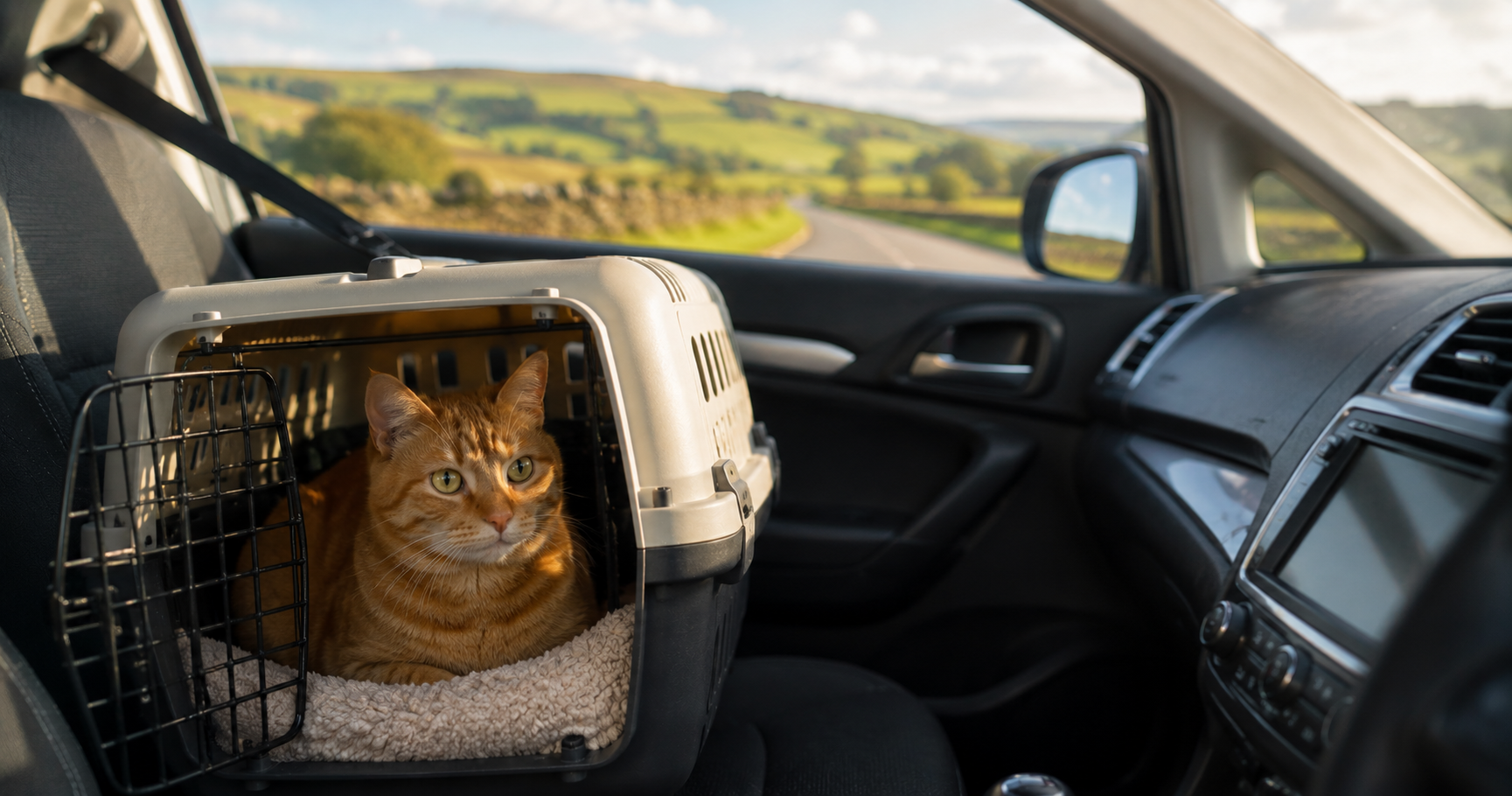
Travelling with cats doesn't have to be stressful. Whether you're making a quick vet visit or relocating across the country, the right preparation can transform a potentially traumatic experience into a manageable journey for both you and your cat.
Key Takeaways
- Cats should travel in secure carriers, it's Highway Code guidance, and loose cats in vehicles are a serious safety risk
- Start carrier familiarisation at least two weeks before any planned journey
- Most cats can travel 4-6 hours safely with proper breaks and monitoring
- Recognise anxiety signs: excessive panting, drooling, or vocalisation during travel
- Professional pet hotels often provide less stressful alternatives for holidays or extended trips
- Emergency supplies should include vet contact details and your cat's medical information
When Cats Need to Travel
Some journeys are unavoidable, whilst others are optional choices that require careful consideration of your cat's wellbeing.
Essential travel includes vet appointments, emergency medical care, and house moves. These situations require preparation but can't be postponed for your cat's comfort. Holiday travel, visiting friends, or recreational trips are optional, and many cats experience less stress staying in familiar surroundings with professional care.
Consider your cat's personality and previous travel experiences. A confident, adaptable cat might cope well with occasional journeys. An anxious or elderly cat may find even short trips distressing, making professional pet care the kinder option.
Understanding Cat Travel Stress
Cats are territorial creatures who find security in familiar environments. Travel disrupts their sense of control and can trigger significant anxiety responses.
Natural stress responses in unfamiliar environments
Your cat's stress response evolved to keep them safe from predators and territorial threats. Confined spaces, unfamiliar sounds, and loss of escape routes activate their fight-or-flight response. This isn't bad behaviour, it's normal survival instinct.
Motion sickness compounds these natural fears. The inner ear disturbance from vehicle movement can cause nausea, disorientation, and panic. Some cats adapt with experience, whilst others remain motion-sensitive regardless of preparation.
Recognising anxiety symptoms during travel
Watch for excessive panting (cats rarely pant unless overheated or stressed), drooling, vocalisation, or attempts to hide. Urination or defecation during short journeys often indicates severe anxiety rather than genuine toilet needs.
Freezing behaviour, where cats become completely still and unresponsive, is another stress signal. Don't mistake this for calm acceptance. A relaxed cat may sit alertly or even sleep during travel.
When professional help is needed
Contact your vet if your cat shows extreme distress symptoms: continuous vocalisation for over 30 minutes, excessive drooling that soaks bedding, or complete loss of bladder control during short journeys under 30 minutes.
Some cats benefit from anti-anxiety medication for essential travel. Your vet can prescribe appropriate treatments and advise on timing. Never use human medications or over-the-counter pet sedatives without veterinary guidance.
Essential Cat Travel Equipment
The right equipment protects your cat and ensures legal compliance with UK transport regulations.
Choosing the right carrier size and material
Select a carrier where your cat can stand, turn around, and lie down comfortably. Measure your cat from nose to tail base, then add 10cm to determine minimum length. Height should accommodate your cat standing with ears erect.
Hard-sided carriers provide better protection in accidents and stack securely if travelling with multiple pets. Soft carriers work for calm cats on short journeys but offer less crash protection. Ensure all latches are secure and won't open accidentally during transport.
UK legal requirements for pet transport
Rule 57 of the Highway Code recommends that pets should be suitably restrained in vehicles so they cannot distract the driver or injure passengers in sudden stops. While this is guidance rather than specific legislation, unrestrained pets could lead to charges of driving without due care if they cause an accident or distract the driver.
Letting cats travel loose in vehicles is dangerous and potentially illegal. Even the gentlest cat can panic and interfere with driving. In accidents, unrestrained pets become projectiles that can injure passengers.
Comfort items and familiar scents
Place worn clothing or bedding with your scent inside the carrier. Familiar smells provide emotional comfort during stressful journeys. Avoid favourite toys that might become choking hazards if your cat panics.
Synthetic pheromone sprays (Feliway) help some cats, but don't work universally. Apply to carrier bedding 30 minutes before travel, never spray directly onto your cat.
Emergency supplies checklist
Pack your vet's contact details, your cat's medical records, and any medications they're taking. Include backup securing devices for carriers, paper towels for accidents, and a spare blanket if weather conditions change during long journeys.
Preparing Your Cat for Travel
Gradual preparation reduces travel anxiety more effectively than last-minute attempts to calm stressed cats.
Carrier introduction and familiarisation
Start carrier training at least two weeks before travel. Place the open carrier in your cat's favourite room with comfortable bedding inside. Feed treats and meals near the carrier, gradually moving bowls closer over several days.
Once your cat explores the carrier willingly, practise closing them in for short periods, start with 30 seconds, building to 10 minutes. Always reward calm behaviour with treats and praise.
Short practice journeys
Begin with stationary "journeys", sit in the parked car with your crated cat for 5-10 minutes. Progress to driving to the end of your road and back. Successful short trips build confidence for longer journeys.
Schedule practice runs when you have time to respond calmly to any distress. Rushed or stressful practice sessions can worsen travel anxiety rather than improving it.
Pre-travel health checks and feeding guidelines
Feed your cat lightly 2-3 hours before travel, or withhold food entirely for journeys under 4 hours. Full stomachs increase motion sickness risk. Provide water until departure time unless your vet advises otherwise.
Ensure vaccinations are current, especially for kennels or catteries. Update identification tags with travel destination contact details in case your cat escapes during the journey.
Calming aids and pheromone sprays
Consider natural calming supplements containing L-theanine or tryptophan, starting several days before travel. These work better as preventative measures than crisis interventions.
Some cats respond well to covered carriers that reduce visual stimulation. Others prefer to see their surroundings. Test your cat's preference during practice sessions to avoid guesswork on travel day.
Car Travel with Cats
Cars offer the most control over your cat's travel environment, but require careful safety planning and regular monitoring.
Securing carriers safely in vehicles
Position carriers behind front seats where they can't slide forward during braking. Use seatbelts to secure carriers, or place them in footwells surrounded by luggage that prevents movement. Never put carriers in front seats where airbags could cause injury.
For estate cars or larger vehicles, consider purpose-built pet barriers that contain carriers in cargo areas whilst preventing access to passenger zones.
Managing temperature and ventilation
Cats overheat more quickly than humans, especially when stressed. Maintain cabin temperature around 18-20°C and ensure air circulates around the carrier. Never leave cats unattended in vehicles, temperatures can become dangerous within minutes.
Use sun shades on windows to prevent direct sunlight from heating carriers. Position air vents to provide gentle airflow without creating drafts that might chill your cat.
Break frequency and bathroom needs
Most cats can travel 4-6 hours without toilet breaks, but monitor for signs of discomfort or distress. Stop every 2 hours for your own comfort and to check your cat's wellbeing.
During breaks, never open carriers unless you're in a secure location where your cat cannot escape. A frightened cat in unfamiliar territory may run and become lost. Instead, offer reassurance through carrier bars and check water availability.
Signs your cat needs immediate attention
Pull over safely if your cat shows signs of severe distress: continuous loud vocalisation, visible panting with tongue extended, or complete collapse inside the carrier. These symptoms require immediate veterinary attention.
Contact emergency vets en route for guidance. Don't attempt to remove distressed cats from carriers whilst driving, this creates additional safety hazards for everyone.
Alternative Transport Options
Public transport and taxi services offer alternatives to car travel, each with specific regulations and practical challenges.
UK public transport pet policies
Most UK train operators allow cats in carriers, often requiring pet tickets costing £5-15 per journey. Book pet spaces in advance, some services limit pet numbers per carriage. National Express coaches generally prohibit pets except assistance animals.
London Transport allows crated pets on tubes and buses outside peak hours. Check individual operator websites as policies vary significantly between regions and services.
Booking pet-friendly services
Many taxi companies accept crated pets, but confirm when booking. Uber and similar apps often allow pet transport requests, though drivers can decline if they're unprepared for animal passengers.
Specialist pet taxi services operate in major cities, offering climate-controlled vehicles and experienced animal handlers. These cost more than standard taxis but provide stress-reducing expertise.
Managing busy environments and other passengers
Public transport exposes cats to crowds, noise, and other animals that can increase anxiety. Travel during quieter periods when possible. Position carriers away from high-traffic areas whilst maintaining proper ventilation.
Be prepared to comfort your cat verbally and move to quieter carriages if distress levels rise. Some passengers may be allergic or fearful of cats, respect their concerns whilst protecting your cat's wellbeing.
International Travel Considerations
International cat travel involves complex regulations that require weeks or months of preparation.
UK government pet travel requirements
According to gov.uk guidance, cats entering Great Britain must be microchipped before rabies vaccination, then wait at least 21 days after vaccination before travel. Pet passports or third-country veterinary certificates are required depending on origin country.
Approved transport routes limit entry points for international pet travel. Check current requirements on gov.uk as regulations change, particularly post-Brexit arrangements with EU countries.
Quarantine risks and compliance importance
Incomplete documentation or missed deadlines can result in quarantine periods up to four months at your expense. Quarantine facilities cost £200-300 per week and create significant stress for cats accustomed to home environments.
Plan international travel at least 4-6 months ahead to complete health certifications, book approved transport, and arrange pet-friendly accommodation.
When Travel Isn't Suitable
Sometimes the kindest choice for your cat is professional care in familiar surroundings rather than stressful journeys.
Recognising when cats shouldn't travel
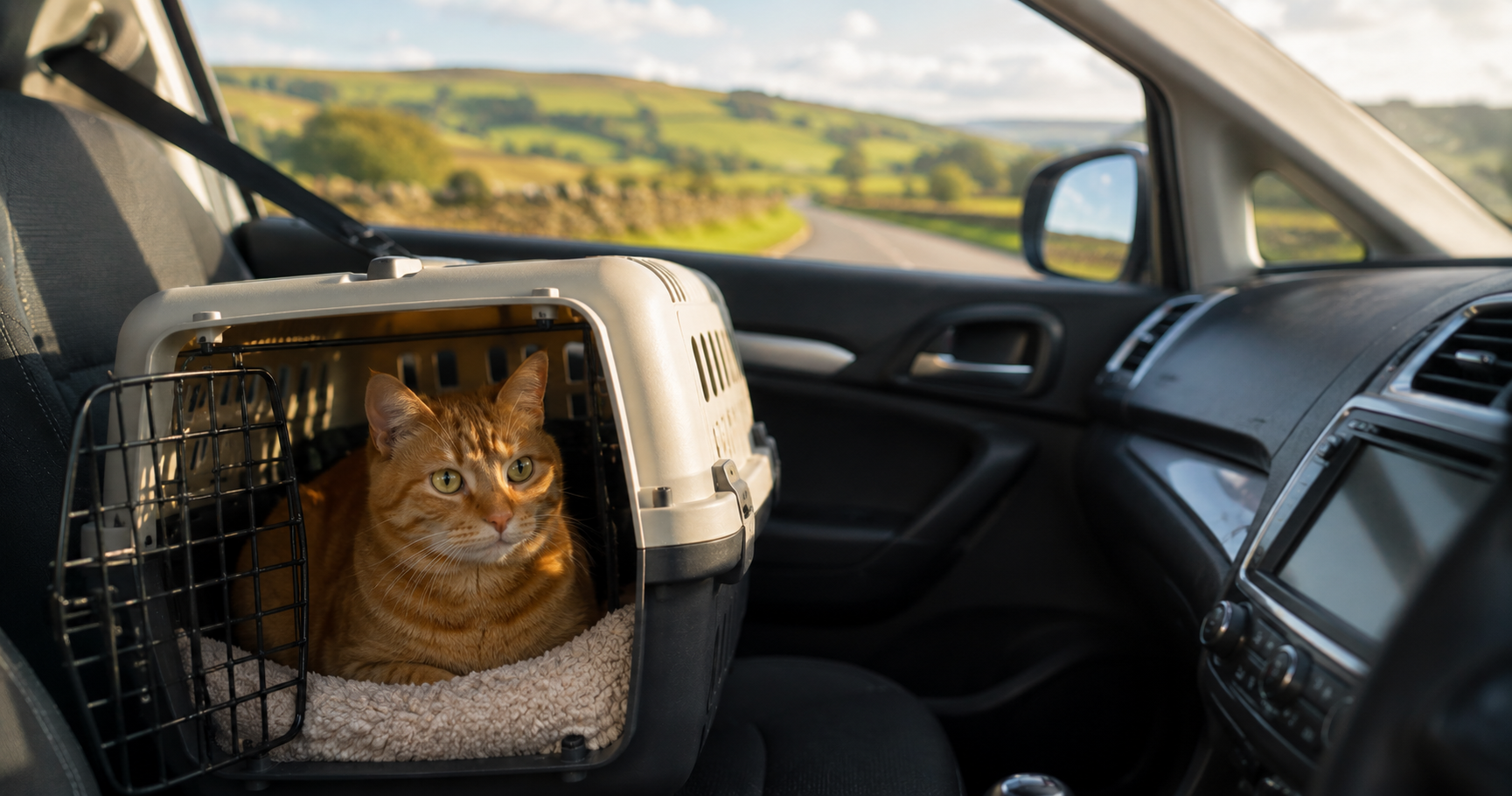
Elderly cats, those with chronic health conditions, or cats with severe travel phobia often benefit more from staying home. Recent surgery, pregnancy, or illness make travel particularly risky.
Extreme weather conditions, whether hot summers or icy winters, add additional stress and safety concerns to cat travel. Consider postponing non-essential journeys during adverse weather.
Professional pet care alternatives
Cat hotels provide supervised care in purpose-built facilities with experienced staff who understand feline behaviour. Many offer individual accommodation rooms, play areas, and medical monitoring for cats with special needs.
Home pet sitting services allow cats to remain in familiar territory whilst receiving professional care. This reduces stress for territorial cats who find new environments particularly challenging.
Browse cat-friendly boarding options near you on Tailstays.
Frequently Asked Questions
How long can cats safely travel in cars?
Most cats can travel 4-6 hours safely with proper monitoring, but elderly or anxious cats may need more frequent breaks. Stop every 2 hours to check your cat's wellbeing and offer reassurance. Watch for signs of distress like excessive panting or vocalisation.
What should I do if my cat gets motion sickness?
Symptoms include drooling, lethargy, vomiting, or loss of appetite. Feed lightly 2-3 hours before travel and ensure good ventilation. If motion sickness persists, consult your vet about anti-nausea medications for future journeys.
Can I give my cat calming medication for travel?
Never use human medications or over-the-counter sedatives. Consult your vet about prescription anti-anxiety treatments for severely distressed cats. Natural supplements containing L-theanine may help when started several days before travel.
What happens if my cat escapes during a journey?
Prevention is crucial, always secure carrier latches and never open carriers in unsecured areas. If escape occurs, remain calm, close all vehicle doors, and contact local vets and animal shelters immediately with your cat's description and microchip details.
Is it better to travel with cats or use pet hotels?
This depends on your cat's personality and the journey purpose. Confident, travel-experienced cats may enjoy short trips, but anxious or elderly cats often experience less stress with professional care in familiar territory or purpose-built facilities.