
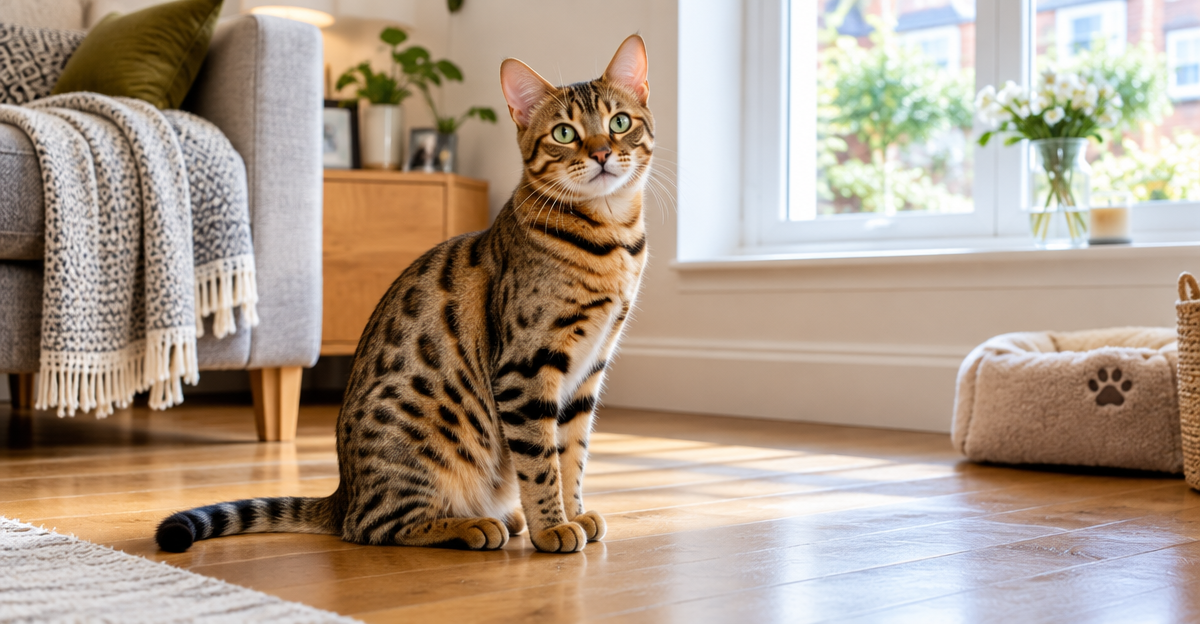
If you're looking into Battersea cats rehoming, the short version is this: you apply, talk to staff about what you can offer, meet cats that might suit you and, if it's a good match, take one home. The process is built to put the right cat with the right household, not to get you out of the door quickly. That can feel slow when you've already fallen for a face on the website, but it's a big part of why so many Battersea adoptions work out.
This guide covers how adopting a cat from Battersea works, who it suits, how to prepare your home, how to handle the first weeks and how to plan your first time away. It focuses on cat boarding in London and the south-east, where Battersea's centres are based. Rescue processes change, so check current centres, steps and any adoption fees on Battersea's own website before you apply.
Key Takeaways
- Battersea's rehoming process centres on matching: expect questions about your home, routine, other pets and outdoor access.
- Check Battersea's official pages for current centres, steps and fees before you apply. Don't rely on third-party claims about waiting times or costs.
- Prepare a quiet safe room, the basics and a hazard check before your cat comes home.
- Microchipping cats is compulsory in England, so update the registered details when you adopt.
- Give a rescue cat time to settle before planning time away, and choose a licensed cattery or a sitter with care.
- Most adopters live in London and the south-east, where cattery places can fill up early around school holidays and Christmas. Not every pet hotel takes cats, so check before you book.
How Battersea Cat Rehoming Works
Battersea rehomes cats through a matching-led process rather than a first-come, first-served one. What follows is a general outline, so confirm the current version on battersea.org.uk.
Where cats are rehomed from
Battersea has historically rehomed animals from centres in London, Old Windsor and Brands Hatch. Which centres currently rehome cats, and whether you need to travel to meet them, can change. Check the official site for the present list before planning a visit.
The steps from enquiry to taking a cat home
The journey usually runs along these lines, though the exact order and requirements are Battersea's to confirm:
- Browse the cats currently available on Battersea's website and read their profiles.
- Submit an enquiry or application about a cat (or cats) that appeal.
- Have a matching conversation with staff about your household and what you're looking for.
- Meet the cat at the centre and see how they respond to you.
- Complete any home questionnaire or checks that apply to your situation.
- Finalise the adoption and take your cat home, along with any information and guidance provided.
Don't read this as a timetable. How long each stage takes depends on the cat, your circumstances and demand, so ask Battersea directly.
What Battersea asks adopters about
Expect questions that help staff judge whether a particular cat will be happy with you. Common topics include:
- Your home type, and whether you own or rent
- Whether the cat would have outdoor access or be kept indoors
- Other pets and children in the household
- Your working hours and how long the cat would be alone
- Previous experience with cats
None of this is a test. A shy cat in a noisy house, or an energetic cat in a small flat, can genuinely struggle. Honest answers get you a better match, even if they rule out the cat you first had your eye on.
Is Battersea the Right Fit for You and Your Household?
Battersea suits people who want a cat chosen with their lifestyle in mind and are ready for a long commitment. It's worth thinking honestly about what you can offer before you apply.
Matching cat temperament to lifestyle
Cats vary enormously. Some need a quiet adult household and will be miserable around visitors or young children. Others are confident, sociable and fine with dogs or other cats. Some need to be indoor-only, perhaps for health reasons or because a busy road would be too risky, while others won't be content without outdoor space.
Say you work from home three days a week in a first-floor flat. A relaxed, indoor-friendly cat could be a great match, whereas a cat used to roaming might be frustrated. That's exactly the conversation the matching stage is for.
Cats with health or behavioural needs
Some rescue cats have medical conditions or behavioural quirks. Battersea describes offering information and support to adopters in these cases, so ask what's known about the cat's history and what ongoing help is available. Be realistic about the time, vet costs and patience involved. These cats can be hugely rewarding, but they're rarely the easy option.
How long a cat will be with you
Cats commonly live well into their teens. Cats Protection and International Cat Care both describe cats living for 12 to 15 years or more, and some reach their twenties. Adopting means a commitment through house moves, new jobs and changes in family life, so think about where you might be in a decade or more.
Preparing Your Home Before Your Cat Arrives
Have the essentials ready and one calm room prepared before you collect your cat. Walking into a ready space makes a real difference to how quickly a nervous cat relaxes.
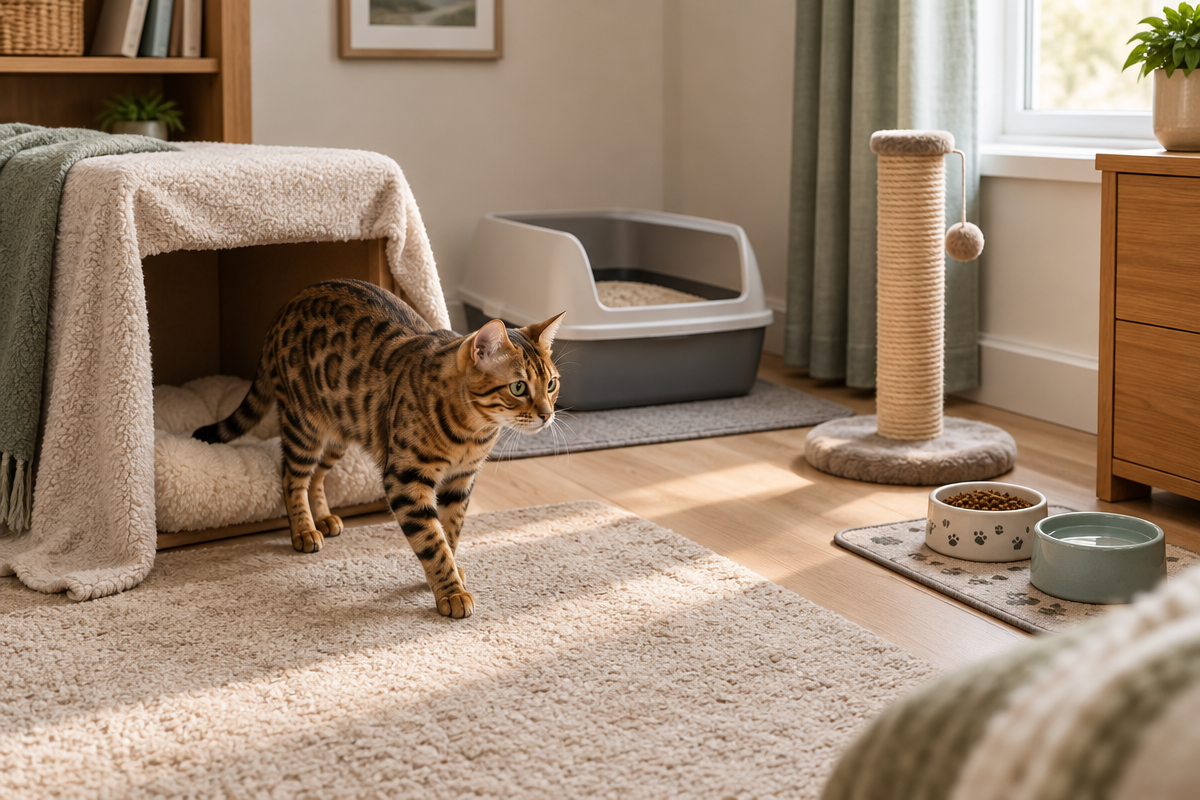
Essentials checklist
- Litter tray and the type of litter the cat is already used to (ask the centre)
- The food they've been eating, so you can switch gradually if needed
- Food and water bowls, kept away from the litter tray
- Scratching post or pad
- Hiding spots, such as a covered bed or a box on its side
- A secure, sturdy carrier (our guide to choosing the right cat travel carrier covers what to look for)
- Registration with a local vet
Safe room setup and hazard check
Choose a quiet room where your cat can stay for the first few days, with everything they need inside. Before they arrive, walk through it looking for hazards:
- Toxic plants. Lilies are especially dangerous to cats, so check any plant against a reliable list from a vet or cat charity.
- Windows and balconies that could be opened or climbed through
- Trailing cables, small objects and open cupboards
- Gaps behind appliances where a frightened cat could wedge themselves
Microchip detail updates
Under the Microchipping of Cats and Dogs (England) Regulations 2023, cats in England must be microchipped, with the rules applying from June 2024. This is England-specific, and other UK nations have their own arrangements. When you adopt, make sure the database record shows your name, address and phone number, and ask Battersea how the transfer of details is handled so nothing slips through.
The First Days and Weeks: Settling a Rescue Cat In
Most rescue cats need days or weeks to feel secure. Let your cat set the pace, even if that means spending a lot of evenings sitting quietly on the floor of the spare room.
Decompression period: normal vs concerning
In the first days it's common for a cat to hide, eat little while you're watching, or only use the litter tray when the room is quiet. That's usually stress, not a sign you've got the wrong cat. Keep things calm, sit in the room and let them come to you.
A cat that refuses food entirely for a prolonged period, shows signs of illness such as vomiting or diarrhoea, or doesn't use a litter tray at all is a different matter. Those are reasons to call a vet.
Introducing to other pets and children
Go slowly. Keep other pets apart at first and let them get used to each other's scent, for example by swapping bedding, before any face-to-face meeting. If you have a dog, our guide to dogs that are good with cats and how to introduce them walks through the process in more detail. With children, teach them to let the cat approach, to avoid picking the cat up unless the cat is comfortable, and to leave them alone when they retreat.
Building trust and routine
Cats like predictability. Feed at consistent times, keep play sessions short and regular, and offer treats without pressure. Once your cat is confident in the safe room, open up the rest of the house gradually. If your cat will have outdoor access, ask Battersea or your vet when it's safe to start, as cats are typically kept in for a period first.
When to contact Battersea or a vet
Contact your vet about any signs of illness or injury. For behaviour concerns such as persistent aggression, toileting problems or extreme fear, ask Battersea what post-adoption support it offers. Your vet may also refer you to a qualified behaviourist.
Planning for Time Away: Holidays and Boarding After Adoption
Ideally, don't leave a newly adopted cat until they're properly settled, and plan any boarding well in advance. If you already have a trip booked, talk to your vet or Battersea about the best option for your particular cat.
When is it reasonable to leave a newly adopted cat?
There's no fixed rule. A cat who is eating, using the litter tray, exploring and seeking attention is far better placed to cope than one still living under the bed. Many owners wait several weeks. Your vet or a behaviourist can advise based on your cat's temperament.
Cat sitter vs cattery
Both can work. The right choice depends on your cat.
| Cat sitter at home | Licensed cattery | |
|---|---|---|
| Familiar surroundings | Yes, your cat stays in their own space | No, a new environment |
| Suits anxious cats | Often, as there's no travel or new smells | Can be stressful for some |
| Supervision | Usually visits, not constant presence | Staff on site and routines in place |
| Things to check | Experience, references, key handling | Licence, vaccination policy, facilities |
A visiting sitter in your own home generally doesn't need a licence, whereas a cattery or home boarding in the carer's home does. Our view: for a cat still learning to trust their surroundings, a sitter usually means less upheaval. A good cattery can work very well for a settled, confident cat.
What to look for in a licensed cattery
In England, catteries and cat home boarding need a local authority licence under the Animal Welfare (Licensing of Activities Involving Animals) (England) Regulations 2018. Wales has similar requirements under separate legislation, while Scotland and Northern Ireland differ, so check the rules for your area.
- Ask to see the licence, and check with the local council if you want to confirm it.
- Reputable providers will let you visit and see where your cat would stay.
- Look for clean, secure accommodation with space to hide, climb and rest.
- Ask how staff handle nervous cats and what happens in an emergency or if your cat becomes unwell.
- Ask about daily routines, play and how often you'll get updates.
Once you've chosen, our cat boarding checklist covers what to pack, which matters more than usual for a cat who needs familiar smells around them.
Vaccination requirements for boarding
Most catteries ask for up-to-date vaccinations against cat flu and feline infectious enteritis. Policies differ, including how recently the booster must have been given, so check each cattery's requirements early. Ask Battersea for your cat's vaccination records and your vet when the next booster is due. Our cat vaccination schedule guide explains the core vaccines and timings.
When you're ready to look, you can compare licensed pet hotels on Tailstays across UK cities. Alongside London, Tailstays lists 25 pet hotels in Leeds and 20 in Bristol, which can help if family live elsewhere or you're moving. Always check which accept cats.
Cat Boarding Near Battersea's Centres
Most Battersea adopters live in London and the surrounding south-east, so London is the most relevant local picture. Tailstays lists 31 pet hotels in London. Not every pet hotel takes cats, so filter for cat-friendly options and confirm directly with each one.
- In London you'll have the widest choice, but also the most competition for places at popular providers.
- Near Old Windsor or Brands Hatch, you may be looking at catteries in Berkshire, Surrey or Kent. Search Tailstays or check your local council's list of licensed premises.
- Think about the journey. A shorter trip is easier on a cat who is still adjusting to life with you.
When London Catteries Book Up
Demand for cat boarding in London and the south-east tends to peak in the summer holidays, around Christmas and New Year, at Easter and during school half-terms. Lead times vary a lot between providers, so ask each one, but a sensible approach is:
- Book peak-period stays as early as you can, as popular places can go well in advance.
- If you adopt in autumn, think about Christmas cover straight away, even before your cat has fully settled.
- Check vaccination dates against your booking, as a booster may need to be done ahead of the stay.
- Have a backup, such as a visiting sitter, in case your first choice is full.
Alternatives If Battersea Isn't the Right Match
If Battersea is too far away or the match isn't right, you have other options. Cats Protection, the RSPCA and many local independent rescues rehome cats across the UK. Each has its own process, criteria and fees, so read their current guidance and ask questions before you commit. The best rescue is simply the one that can match you with a cat that suits your home.
FAQs
How long does Battersea cat rehoming take?
It varies. The time depends on the cat, how quickly you complete each stage and how many suitable cats are available. Battersea's rehoming pages and staff are the best source for current expectations.
Can I adopt a Battersea cat if I live in a flat or rent?
Often, yes, but it depends on the cat and your circumstances. Staff will ask about your home and, if you rent, may ask about your landlord's permission. Some cats suit indoor flat life well. Be upfront so they can match you properly.
Does Battersea rehome cats outside London?
Battersea has historically operated centres in London, Old Windsor and Brands Hatch, so cats are mainly rehomed in the south-east of England. Check battersea.org.uk for current centres and any rules about how far away adopters can live.
Are Battersea cats vaccinated, neutered and microchipped?
Battersea describes preparing cats for rehoming with veterinary care, but confirm exactly what's included for the cat you're adopting. Ask for their records, including vaccination dates and microchip details.
Can I leave a newly adopted cat in a cattery?
You can, but it's usually kinder to wait until your cat has settled. Talk to your vet or Battersea, and consider a visiting sitter instead. If you do use a cattery, choose a licensed one and check its vaccination policy.
What if the adoption doesn't work out?
If you're struggling, contact Battersea early to ask about advice and support. Many early problems ease with time or help from a behaviourist. Ask about their returns policy before you adopt, so you know what to expect.