
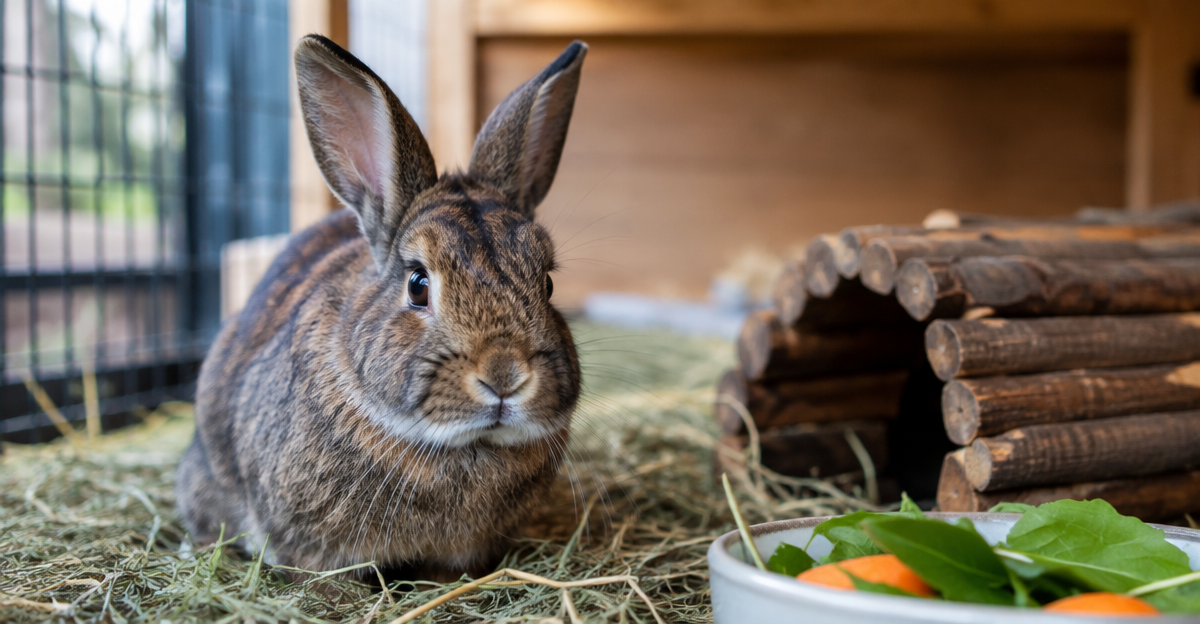
Rabbit boarding in Manchester is a small, scattered market. Most of your options are home-based small-animal boarders or in-home sitters rather than large pet hotels, so finding the right one takes a bit of detective work. This guide covers how the local options work, where to look across Greater Manchester and how to check a provider properly before you hand over your bunny.
Rabbits are prey animals, and they are very good at hiding illness. A boarder who simply "accepts" rabbits is not the same as one who understands them, and that difference is what this guide is really about.
Key Takeaways
- Rabbit boarding in Greater Manchester is niche and fragmented. Expect home-based boarders and in-home sitters rather than big hotels.
- Most rabbit-savvy boarders will insist on up-to-date vaccinations against myxomatosis, RHD1 and RHD2.
- Rabbits should never be housed within sight, sound or smell of dogs and cats. Ask how separation works.
- Rabbit-only boarding is generally not licensed in England, so the vetting falls to you. Always visit first.
- Book early for school holidays, summer and Christmas, and plan the journey carefully because travel stress matters.
- Tailstays does not have a large Manchester inventory. Use it to compare providers nearby, then confirm rabbit suitability directly.
What Does Rabbit Boarding Look Like in Manchester?
There are four broad models, and each suits a different kind of rabbit. Knowing the differences helps you ask sharper questions from the first phone call.
Home-based small-animal boarders
These are usually people who look after small animals in a spare room, garage conversion, outbuilding or secure garden set-up. Your rabbit stays in a hutch, indoor pen or enclosure, with daily exercise time. The best ones keep numbers low and know every guest individually.
You get one-to-one attention and a quieter setting than a commercial site. The catch is that standards vary enormously, because there is no rabbit-specific boarding licence to set a baseline.
In-home rabbit sitting (visits) vs boarding
With in-home sitting, someone comes to your house, usually once or twice a day, to feed, clean and check on your rabbits. Your pets stay in familiar surroundings, which matters a lot for a species that stresses easily when moved.
The weakness is the gap between visits. A rabbit that stops eating can go downhill within hours, and a twice-daily visit leaves far more unwatched time than a boarder who is home all day. Some sitters live in, which closes that gap but costs more. Our guide to choosing small pet sitters for rabbits and guinea pigs goes into what to ask.
Some providers offer both. Redbeck Small Animal Boarding & Pet Sitting, listed on findpetboarding.com, is one example. It is based in Bradford, West Yorkshire, so it is not a Manchester option, but it shows what a rabbit-focused business can look like.
Watch the terminology. "Pet sitting" can mean visits to your home or boarding in the sitter's home, so always check which one you are being offered.
Vet-run, cattery or kennel boarding that accepts rabbits
Some vets and a handful of catteries or kennels take small animals. The big question here is separation. Rabbits can be badly stressed by the sound and smell of dogs and cats, even if they never meet one. Ask whether rabbits are in a separate building or a fully separate room, and how far away the nearest dog or cat is.
Vet-run boarding has an obvious advantage for rabbits with health issues, since medical help is on hand. Just make sure the set-up is genuinely quiet and predator-free, not a cage in the corner of a busy ward.
Peer-to-peer platforms (PetBacker and similar)
Platforms such as PetBacker let you filter sitters by pet type, including rabbits. In practice, many listings are dog-focused sitters who tick rabbits as an accepted animal. One Wythenshawe listing on PetBacker, for example, mentions the host owns a house rabbit, but the profile is mostly about dogs and describes dog-focused routines.
That does not make such sitters bad. It just means you need rabbit-specific answers: what do they feed, how do they house rabbits, where are the dogs during your rabbit's stay, and what would they do if your rabbit stopped eating? Treat any platform's claims about cover or insurance as something to read the terms for, not something to assume.
Where Can You Find Rabbit Boarding in Greater Manchester?
Availability is patchy, so cast your net well beyond the city centre. The details below are starting points for your own checks, not recommendations.
South Manchester, Stockport and the Cheshire borders
Search for rabbit boarding in Stockport and Pop & Pet's is one business that comes up. According to its own website, it runs a rabbit boarding service in Stockport and covers areas in Cheshire and Greater Manchester including Poynton, Wilmslow, Alderley Edge, Cheadle Hulme, Disley, Didsbury, Sale, Altrincham, Hale and Bowdon. The site is basic and does not publish prices or licence details, so contact them directly and confirm current availability before relying on them.
Bolton, Wythenshawe and surrounding areas
Much of what you will find here is word of mouth. Rabbit owner forums carry older threads where members mention local carers or offer holiday swaps. These are anecdotal and often out of date, so treat them as leads rather than endorsements. PetBacker also shows general sitters in areas such as Wythenshawe, where the rabbit-specific questions above apply.
If local leads dry up, you can search Tailstays for options near you and compare providers in neighbouring areas.
Chester and the Liverpool edge
If nothing suitable turns up locally, look west. Older forum threads mention a bunny boarder in Chester, but check that any business is still operating before you get in touch. Tailstays lists 17 hotels in Liverpool, though whether any accept rabbits varies, so ask each one. You can browse them on our Liverpool pet hotels page.
For context, our largest listings are in London, Leeds, York and Nottingham. Manchester is not one of them, so do not expect a long list of rabbit options here.
How to Choose a Rabbit Boarder in Manchester
Work through these checks in order. Each includes a red flag, so you know when to walk away. For a wider view beyond Manchester, see our guide on how to find safe rabbit boarding in the UK.
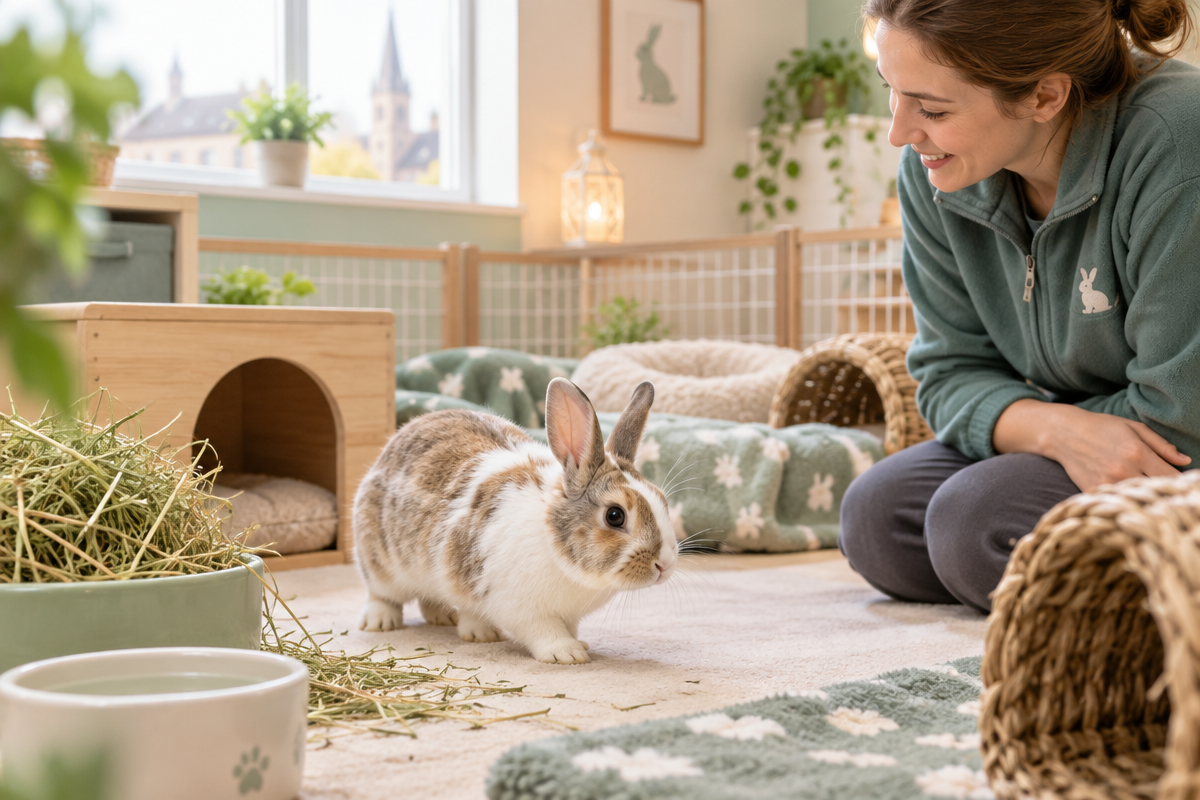
- Decide between boarding and in-home sitting. Think about your rabbit's temperament, age and health. Older, nervous or ill rabbits, and bonded pairs that have never been apart from home, often do better staying put with a sitter. Young, confident rabbits may cope fine with boarding. Red flag: a provider who insists one option suits every rabbit.
- Shortlist rabbit-specific providers. Favour people who talk fluently about rabbit diet, behaviour and housing without being prompted. Red flag: vague answers, or a listing where rabbits are clearly an afterthought.
- Ask about vaccinations. Rabbit welfare organisations and vets, including the Rabbit Welfare Association & Fund (RWAF), recommend protection against myxomatosis, RHD1 and RHD2, with regular boosters. Most responsible boarders will ask to see your vaccination card. If a booster is due, talk to your vet about timing rather than vaccinating just before the stay, so any mild after-effects do not coincide with a new environment. Red flag: no questions about vaccination at all.
- Check the housing. Is the enclosure big enough for your rabbit to stretch out, stand up on its hind legs and hop? Is it well ventilated, dry, draught-free and kept out of the heat? Rabbits cope poorly with hot weather, and RSPCA and RWAF guidance warns that temperatures from the mid-20s Celsius can become dangerous. Bonded pairs should stay together, as separating them can cause serious stress. Red flag: rabbits housed near dogs or cats, or hutches in direct sun.
- Check the diet. Rabbits need constant access to good-quality hay, plus fresh greens and their usual pellets. Sudden food changes can upset their gut, so ask whether the boarder will use the food you supply. Pack plenty of it, along with familiar bedding and a hideaway; our list of what to pack for rabbit boarding covers the rest. Red flag: a boarder who plans to switch diets.
- Ask about exercise and hygiene. Does your rabbit get daily run time in a secure area? In summer, how do they guard against flystrike, for example by checking rabbits' rear ends daily and keeping bedding clean? Red flag: rabbits left in hutches all day.
- Ask about health monitoring. A good boarder checks appetite and droppings every day, because gut stasis (where the digestive system slows or stops) is an emergency. Ask who their vet is, how they would get your rabbit there and how they handle medication. Leave a short care sheet covering feeding routine, quirks and what normal behaviour looks like, plus your vet details, insurance documents and written consent for emergency treatment. Red flag: no named vet or a vague emergency plan.
- Understand licensing, insurance and qualifications. The Animal Welfare (Licensing of Activities Involving Animals) (England) Regulations 2018 cover dog and cat boarding, and small animals such as rabbits are generally not licensed. In practice, there may be no council inspection behind a rabbit-only boarder, so your own checks carry more weight. If the boarder also takes dogs or cats, they will need a licence for that activity, but it does not automatically vouch for their rabbit care. It is worth asking the relevant council (Manchester City Council, Stockport, Trafford and so on) how it treats small-animal boarding locally; our overview of UK pet laws on welfare and boarding explains the wider picture. Ask about insurance too, though commercial liability cover is not a legal requirement. No specific qualification is mandated, so ask about experience instead. Red flag: a boarder who claims a licence guarantees rabbit expertise.
- Visit first and agree terms in writing. Reputable providers will happily let you visit. Ask for photo updates during the stay and get prices, dates, vet consent and emergency contacts in writing. Red flag: no visit offered, or reluctance to put anything in writing.
Honestly, if a boarder passes all nine of these, you have found someone worth keeping hold of. Once you have a shortlist, compare providers on Tailstays to see what else is available around Greater Manchester and beyond.
What Does Rabbit Boarding Cost in Manchester?
There is no reliable Manchester average, because the market is small and most providers do not publish prices. The figures below come from competitor listings and are indicative only.
| Source | Listing type | Price quoted |
|---|---|---|
| Redbeck (Bradford, via findpetboarding.com) | Small-animal boarding | £8.50 to £17.50 a day, depending on accommodation and number of pets |
| PetBacker sitter listing, Wythenshawe | General pet boarding | From £25 per night |
Neither figure is a Manchester rabbit average. Redbeck is a rabbit-focused specialist in West Yorkshire, while the PetBacker price belongs to a general listing that is largely dog-focused. Tailstays does not hold pricing data, so always get a quote directly.
What pushes the price up or down:
- Accommodation type and size
- Number of rabbits, including bonded pairs
- Medication or special diets
- Extras such as grooming or collection
- Peak dates like summer, school holidays and Christmas
What Seasonal and Local Factors Matter?
Timing affects both availability and safety. Small boarders have very few spaces, so the popular weeks go first.
- Summer: heat and flystrike are the biggest risks. Ask how the boarder keeps rabbits cool and how often they check for soiling.
- School holidays, bank holidays and Christmas: book as early as you can, ideally months ahead.
- Winter: Manchester's damp weather makes outdoor hutches a real concern. Ask whether rabbits are housed somewhere dry, sheltered and draught-free.
- Short notice: a few boarders keep a spare space, but you will usually have better luck with an in-home sitter or a friend. Have a backup plan.
- M60 and rush-hour traffic: the M60 and the main routes into the city crawl at peak times, and a rabbit stuck in a warm car for an extra 40 minutes is not a minor inconvenience. Plan drop-offs outside rush hour, use a well-ventilated, secure carrier with familiar bedding and keep the car cool. Some boarders offer collection and delivery, which can be worth paying for if your rabbit is nervous.
What If You Can't Find a Boarder?
Start with your rabbit-savvy vet practice. Some board small animals themselves, and many can point you to sitters they trust. Rescues and rabbit owner groups in Greater Manchester sometimes know of carers too, but we have not verified any specific holiday-care service, so run each lead through the checklist above.
Finding Pet Care with Tailstays
Tailstays is a search and comparison platform with 2,704 hotels in our directory across the UK. Rabbit-friendly availability varies from place to place. You can search Tailstays for small-animal-friendly options, widen your search to nearby cities, then contact providers directly to confirm they take rabbits and meet your checklist.
FAQ
Do rabbits need to be vaccinated for boarding?
Most rabbit-savvy boarders expect it, and vets recommend vaccination against myxomatosis, RHD1 and RHD2 regardless. Take your vaccination card and expect to be asked for it. A boarder who does not ask is a warning sign.
Is it better to board a rabbit or have a sitter visit?
It depends on your rabbit. Sitters keep them in familiar surroundings, which suits nervous, older or bonded rabbits. Boarding gives more hours of supervision each day, which can suit rabbits with health needs. Think about how your rabbit handles change.
How far ahead should I book?
For summer, school holidays and Christmas, book as early as possible, often months ahead, because small boarders have very few spaces. Outside peak times a few weeks may be enough, but it is still worth asking early.
What if my rabbit stops eating while I'm away?
Treat it as an emergency. A rabbit that stops eating or producing droppings can deteriorate fast. Agree beforehand that the boarder will contact you and a vet immediately, and give written consent for emergency treatment.
Is rabbit boarding in Manchester licensed?
Generally not. The 2018 Regulations in England primarily cover dogs and cats, so rabbit-only boarding is usually unlicensed. If a boarder also takes dogs or cats, they will need a licence for that. Either way, ask the local council how it treats small-animal boarding and check standards yourself.