

The kennel cough vaccine is one of the most misunderstood parts of dog ownership in the UK. Plenty of owners assume their dog's annual booster covers it. It doesn't. And if you leave it too late before a kennel stay, your booking could be refused at the door.
Here is how to get the kennel cough vaccine right, from checking what your dog has already had, to confirming what your chosen facility actually requires, to knowing what to do if something goes wrong.
Key Takeaways
- The kennel cough vaccine is separate from your dog's standard annual booster. A lot of owners don't realise this until it's too late.
- The intranasal (nasal spray) vaccine must be given at least 7 days before boarding. An injectable form is available at some practices, but timing requirements differ, so check with your vet.
- Most licensed UK boarding kennels require proof of current kennel cough vaccination. Requirements vary by facility, so confirm before you book, not on arrival.
- Vaccinated dogs can still contract kennel cough from less common strains, but symptoms are typically milder and recovery faster.
- Immunocompromised dogs, puppies and elderly dogs carry a higher risk, so vaccination planning matters most for them.
- Arriving without the right documentation is a real risk. Some facilities will turn dogs away on arrival rather than compromise other animals in their care.
How to Get the Kennel Cough Vaccine Right Before Boarding
Check What Your Dog Has Already Had
Start with your dog's vaccination record book. The kennel cough vaccine is entirely separate from the standard annual booster. That booster covers distemper, parvovirus, hepatitis and leptospirosis, but not kennel cough. If you haven't specifically requested the kennel cough vaccine, your dog almost certainly hasn't had it.
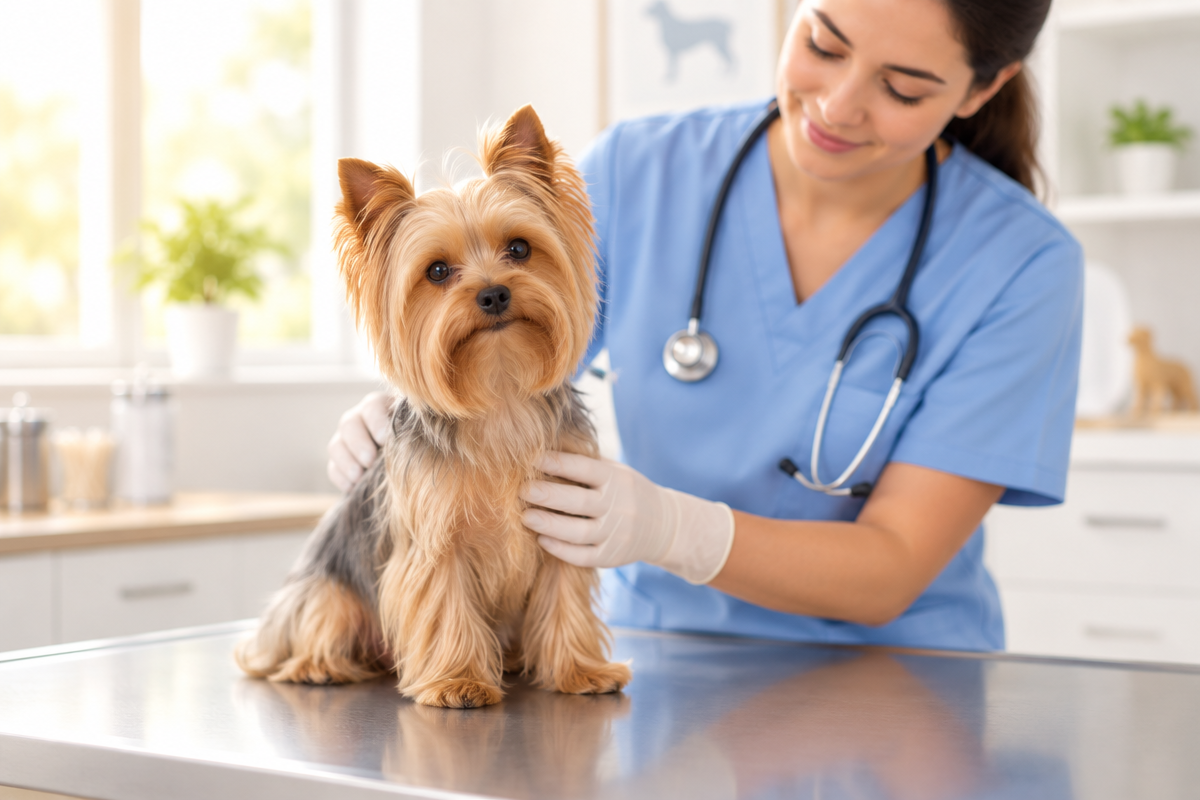
Look for a record of an intranasal (nasal spray) administration, or, at some practices, an injectable kennel cough vaccine. If you can't find it or aren't sure, call your vet and ask directly: "Has my dog had the kennel cough vaccine, and when does it expire?"
The vaccine lasts 12 months and must be renewed annually, regardless of when your dog's standard booster is due. If you want the bigger picture on how everything fits together, our dog vaccination schedule guide breaks down when each vaccine is due.
Questions to ask your vet at this stage:
- Is my dog's kennel cough vaccine current, or has it lapsed?
- Do you offer the injectable form as an alternative to the nasal spray?
- Is my dog on any medication, or does it have any condition that might affect which form of the vaccine is appropriate?
Red flag: If your vet's records show no kennel cough vaccine at all, or the last one was over 12 months ago, do not assume your dog is covered. Many owners discover this gap only when a kennel refuses their booking.
Book the Vet Appointment With the Right Lead Time
The intranasal kennel cough vaccine must be given at least 7 days before boarding. This is the minimum lead time for the vaccine to provide meaningful protection. Seven days sounds generous until you factor in vet availability, potential waiting times, and the reality that some practices prefer to give the kennel cough vaccine at a separate visit from the annual booster.
Book your vet appointment the moment you confirm any boarding plans. Don't leave it until the week before you travel.
A few things worth knowing about timing and formulation:
- The standard intranasal vaccine is given as a nasal spray, directly into the nostrils. This builds immunity at the respiratory mucosa, which is exactly where the infection enters the body.
- A newer injectable form is available at some practices and may suit dogs who strongly resist nasal administration. Timing requirements before boarding may differ from the nasal vaccine, so ask your vet to confirm the lead time for whichever form they use.
- If your dog is already incubating kennel cough at the time of vaccination, having been exposed just days before, the vaccine will not be effective. That is another reason not to leave it to the last minute.
- The vaccine covers Bordetella bronchiseptica and canine parainfluenza virus, the most clinically significant causes. It does not protect against every possible pathogen, so a vaccinated dog can still catch kennel cough from a less common strain, though the illness tends to be milder and shorter-lived.
Questions to ask your vet when booking:
- How many days before the kennel stay does my dog need this vaccine?
- Can the kennel cough vaccine be given at the same appointment as the annual booster, or do we need two separate visits?
- My dog is immunocompromised or on medication. Is the live nasal vaccine appropriate, or should we consider an alternative?
Red flag: If a vet suggests the kennel cough vaccine is included in the standard booster without specifying it separately, double-check. It is never part of the core booster schedule.
Higher-risk dogs to plan ahead for: Puppies (which can be vaccinated from around 6 to 8 weeks), elderly dogs, and dogs with underlying health conditions or compromised immune systems are at greater risk if they contract kennel cough, including a higher risk of progression to pneumonia. For these dogs, early planning and a direct conversation with your vet about timing and formulation is especially important. If you're bringing home a new puppy, our new puppy advice for UK owners covers the early health priorities.
Confirm Your Facility's Documentation Requirements
Most licensed boarding kennels in the UK require proof of current kennel cough vaccination as a condition of boarding. The usual standard is evidence of vaccination within the past 12 months, though some kennels want to see the full vaccination record book rather than a certificate alone.
It isn't just kennels. Groomers and doggy daycare providers increasingly require it too, particularly those operating at scale. They are responsible for multiple dogs at once, and an unvaccinated dog with kennel cough can spread it fast. If daycare is on your radar, our guide on whether doggy daycare is good for puppies is worth a read.
Requirements are set by individual facilities, not by a single national standard. The sensible approach is to confirm exactly what documentation your chosen facility requires at the point of booking, and to check the timing requirements explicitly rather than just whether the vaccine appears somewhere in your dog's records. For a broader sense of how licensed boarding works, see our overview of UK dog boarding regulations.
Questions to ask your boarding provider:
- Do you require proof of kennel cough vaccination, and how recent must it be?
- Do you need the full vaccination record book, or will a vet certificate suffice?
- What happens if my dog arrives and the documentation isn't in order?
Red flag: Any facility that doesn't ask about vaccination status at all is a warning sign. It may mean they aren't enforcing vaccination requirements, which puts your dog at greater risk from other animals in their care.
You can browse dog boarding providers near you on Tailstays and check individual facility requirements before you confirm anything.
Know What to Do If Your Dog Is Refused or Becomes Ill
If your dog is refused boarding because of missing documentation, your options are limited at short notice. That is exactly why the earlier steps matter. Prevention is the only reliable strategy here.
If your vaccinated dog does contract kennel cough during or after a stay, here is how to manage it:
- Isolate immediately. Keep your dog away from other dogs to stop the infection spreading. Avoid dog-to-dog contact until your vet confirms your dog is no longer contagious, as dogs can keep shedding after symptoms resolve.
- Support recovery at home. Ensure plenty of rest and fresh water. Keep the environment well ventilated but away from cold draughts. Switch from a collar to a harness to avoid pressure on the throat, and avoid vigorous exercise until symptoms fully resolve.
- Call your vet if symptoms worsen. Contact your vet promptly if your dog stops eating, develops a high fever, seems breathless, or if the cough gets worse rather than improving after a few days. These can be signs of secondary pneumonia, which needs prompt treatment. Your vet may prescribe antibiotics, a cough suppressant, or anti-inflammatory medication. Never use human medications.
- Note for immunocompromised owners. Bordetella bronchiseptica can, in very rare cases, cause illness in people with severely suppressed immune systems. If someone in your household is immunocompromised, speak to your GP as well as your vet.
Red flag: Vaccinated dogs typically experience a shorter, milder illness than unvaccinated dogs. So if your vaccinated dog seems severely unwell, don't wait. Contact your vet rather than assuming it will pass on its own.
One final point: recovering from kennel cough does not give lasting immunity. Dogs can catch it multiple times throughout their lives, which is precisely why annual vaccination matters. For the wider picture on symptoms and prevention, our companion piece on what to know about kennel cough before boarding goes deeper.
Frequently Asked Questions
Is the kennel cough vaccine included in my dog's annual booster?
No. The standard annual booster covers core diseases such as distemper, parvovirus, hepatitis and leptospirosis, but not kennel cough. The kennel cough vaccine must be requested and administered separately. If you haven't specifically asked for it, your dog almost certainly hasn't had it.
How long before boarding does my dog need the kennel cough vaccine?
At least 7 days for the intranasal nasal spray vaccine. This is the minimum lead time for the vaccine to provide meaningful protection. An injectable form is available at some practices with potentially different timing, so confirm with your vet. Either way, don't leave the appointment until the week before you travel.
Can my dog have the kennel cough vaccine at the same time as their annual booster?
Often yes, though some vets prefer to give them at separate visits. Check with your vet when you book, and factor this into your timeline if two separate appointments are needed before a kennel stay.
Is the kennel cough vaccine 100% effective?
No. It protects against the most clinically significant strains, Bordetella bronchiseptica and canine parainfluenza virus, but not every possible cause of infectious tracheobronchitis. Vaccinated dogs can still catch kennel cough, but typically experience a milder illness and recover more quickly than unvaccinated dogs.
Does my dog need the kennel cough vaccine if they never go to kennels?
Any dog that socialises with other dogs carries some risk of exposure, whether at parks, training classes, groomers or shows. Vaccination is a lifestyle-based recommendation rather than a universal requirement, so the best approach is to discuss your dog's specific routine with your vet and let them advise accordingly.
Can my dog get kennel cough from the vaccine itself?
The intranasal vaccine uses a live attenuated organism, a weakened form of Bordetella. In very rare cases, mild vaccine-associated symptoms can occur. This isn't common and is generally short-lived. If your dog is immunocompromised or on immunosuppressant medication, discuss this with your vet before vaccination, as an alternative approach may be more appropriate.
Ready to sort a boarding provider that fits your dog's needs? Compare dog boarding options near you on Tailstays and check each facility's vaccination requirements before you book.