
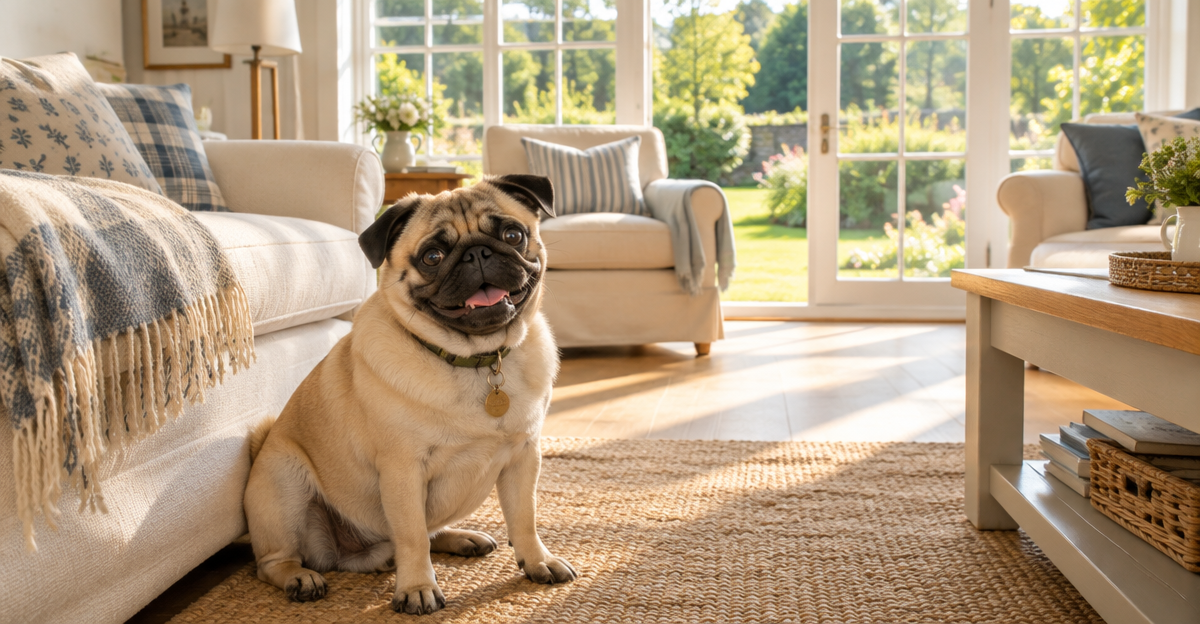
Dog friendly accommodation is easy to find in the UK. A stay that actually works for your dog is harder to spot.
There is no legal or standard definition of "dog friendly", so the real work is reading the small print and being honest about whether the trip suits your dog at all. This guide covers deciding, searching and booking, plus what to do if the plan falls apart.
Key Takeaways
- "Dog friendly" has no legal or standard definition in the UK. One property may mean one small dog in a ground-floor room. Another may mean a fenced garden and a welcome treat.
- Always get the dog policy confirmed in writing before you pay a deposit.
- Budget for pet fees and extras on top of the nightly or weekly rate.
- Some trips suit boarding better than taking your dog along, and a mix of both can work well.
- Have a backup plan in case the stay does not suit your dog.
Should Your Dog Come on Holiday With You?
Your dog should come along if the trip is built around things dogs enjoy and your dog copes well with new places. If not, boarding is often the kinder option. Be honest about the dog you actually have, not the dog you wish you had.
When a dog friendly stay works well
- Walking-focused holidays: coastal paths, National Parks and woodland trails where your dog is part of the plan.
- Settled, sociable dogs: dogs that take strangers, new smells and unfamiliar beds in their stride.
- Coastal or countryside breaks: plenty of space, fewer rules about where dogs can go, and quiet evenings.
When boarding is the kinder option
Picture a dog pacing a hotel room while you sit through a three-course dinner. Nobody enjoys that, least of all the dog. Boarding is usually the better call when:
- Your dog struggles with separation and will bark or chew things when left. Our guide to separation anxiety and dog boarding explains how to make a stay away from you less stressful.
- Your dog is reactive or noisy, which stresses them and can lead to complaints from neighbours.
- You have long days at attractions where dogs are not allowed or would have to wait in the car.
- The weather is hot, and a day of sightseeing would leave your dog with nowhere cool to be.
- It is a city break built around restaurants and museums.
- You are going to a wedding or similar event.
- You are travelling abroad to somewhere that is not dog friendly, or where entry rules make it impractical.
A hybrid approach
You do not have to pick one or the other. Some owners take the dog to a cottage for the walking days, then book a few nights of boarding to cover a day out or a special occasion. Honestly, this is often the best of both worlds. Plan it early, though, because good kennels and home boarders fill up quickly in the school holidays.
You can search Tailstays for boarding near your destination and ask providers about their availability for the dates you need.
Which Type of Dog Friendly Accommodation Suits Your Dog?
It comes down to your dog's size, temperament and how much time they will spend alone. Cottages and holiday lets give the most space. Hotels suit calm dogs that are happy to stick close to you.
Self-catering cottages and holiday lets
Holiday lets usually offer the most room, often a private garden, and the freedom to keep your own routine. Many charge a fee per dog. For larger or anxious dogs they are typically the best fit: no corridors, no dining rooms and no neighbours on the other side of a thin wall.
Hotels and B&Bs
Dog friendly hotels vary enormously. Ask which room types accept dogs, whether dogs are allowed in the bar or dining areas, and what the floors are like. Slippery hard floors are miserable for older dogs, and some hotels only allow dogs in ground-floor rooms.
Campsites, glamping and lodges
These can be brilliant for active dogs, but check the on-site rules first, including lead requirements and whether dogs can be left in a tent, pod or lodge. Canvas does not muffle much, so a dog that barks at every noise will make for a long night. Our guide to pet friendly camping in the UK goes into more detail.
Luxury dog friendly collections
At the top end, curated collections exist, such as The Collection Online's Dog-Friendly Collection, which covers properties in South West England and the Cotswolds. This is luxury-tier pricing, so do not treat it as a guide to what a typical dog friendly stay costs.
| Type | Best for | Watch-outs | Policy questions to ask |
|---|---|---|---|
| Self-catering cottage or holiday let | Larger, anxious or multiple dogs | Fee per dog, garden fencing, furniture rules | How many dogs? Is the garden fully fenced? Can dogs go upstairs? |
| Hotel or B&B | Calm, well-socialised dogs that stay with you | Limited dog rooms, noise, floor surfaces | Can my dog be left alone? Where are dogs allowed? |
| Campsite, glamping or lodge | Active dogs and outdoor families | Livestock, lead rules, thin walls | Are there on-site rules? Is there livestock nearby? |
| Luxury collection | Special occasions and larger groups | High prices, limits on dog numbers | What is included? Are there extra dog charges? |
Travelling with an assistance dog? Assistance dogs are treated differently from pets. Under the Equality Act 2010, accommodation providers must generally accept assistance dogs, and they cannot apply a pet fee in the same way. This is a legal right, not a "dog friendly" perk.
How to Search and Read a Dog Policy
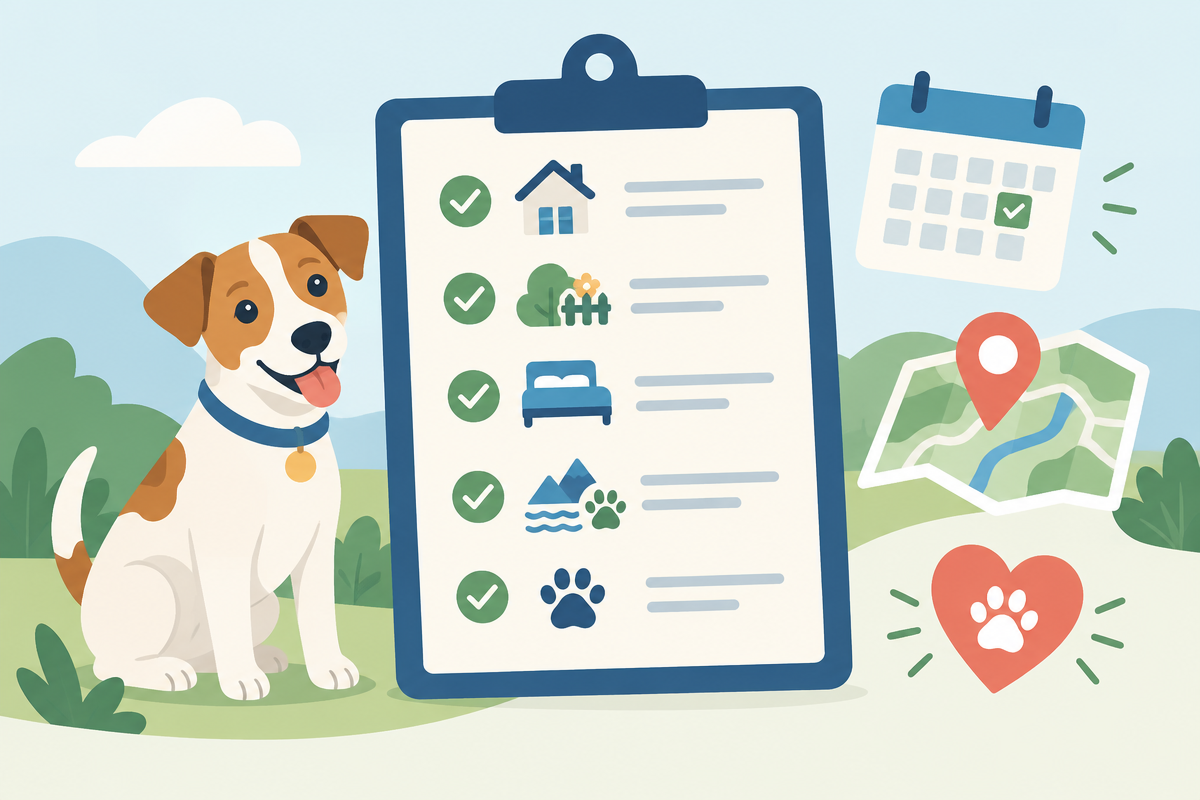
Search by walking access first, then read every line of the dog policy. Because "dog friendly" means different things to different owners, the detail is where you find out whether a place will really work. Use this checklist:
- Filter by location and walking access. Look for beaches, National Parks and footpaths within easy reach.
- Confirm the number of dogs and any size or breed limits. Many places cap it at one or two dogs, and some exclude larger breeds.
- Check the pet fee. Is it per dog, per night or per stay?
- Ask whether dogs can be left unattended, and if so, for how long.
- Check furniture, bedroom and stair rules. Sofas and beds are often off limits.
- Check the garden. Is it fully fenced, and how high is the fence?
- Ask about nearby livestock, water hazards and cliff edges. In England and Wales, worrying livestock is an offence under the Dogs (Protection of Livestock) Act 1953, so keep your dog on a lead near farm animals. Scotland's rules differ, so check current guidance.
- Check seasonal beach restrictions. Many UK beaches restrict dogs for part of the year, often roughly May to September. Each local council sets its own rules through Public Spaces Protection Orders, so check the current rules for the beach you plan to visit.
- Find the nearest emergency vet and save the number.
- Get the policy confirmed in writing before you pay a deposit.
Red flags to watch for
- A vague "pets by arrangement" with no detail.
- No stated fee for dogs.
- No mention of whether dogs can be left unattended.
- A listing described as "ideal for dogs" with no fenced garden.
Be cautious with large listing sites, too. Some apply the "dog friendly" tag loosely, so a listing may not mention dogs anywhere in its own description, or may turn out to be adults-only. Always check the individual property page and ask the owner directly.
What Does a Dog Friendly Stay Really Cost?
The headline rate is only part of the bill. Typical extras include a pet fee, an extra cleaning charge, a refundable damage deposit and sometimes bedding hire. Every property does it differently, so ask for a full breakdown.
Prices also swing widely by region and season. Visit Mid Wales, for example, lists dog friendly places across North and Mid Wales with nightly and weekly prices that differ considerably from one property to the next, so a meaningful average simply is not possible.
If you are unsure whether the dog should come, compare two totals: the full cost of a dog friendly stay (rate plus all pet charges), and the cost of a stay without the dog plus boarding for the same dates. Ask local boarding providers for a quote, as their prices also vary by area and season. The cheaper option is not always the right one, but putting the numbers side by side often makes the decision clearer.
When you are ready to price the boarding side, search for boarding near you on Tailstays and contact providers directly for quotes.
What Is Your Backup Plan If the Stay Falls Through?
Boarding makes a sensible plan B. The room might turn out to be unsuitable, your dog might be unwell, or you might want a day out at an attraction that does not allow dogs. Knowing where you could board your dog at short notice takes a lot of pressure off.
Tailstays lists 2,704 pet hotels across the UK. The cities with the most listings are London (31), Leeds (25), York (25), Nottingham (22) and Bristol (20), with more in towns such as Reading. You can search Tailstays by location to compare providers and request to book directly with the hotel.
In England, dog boarding, whether in kennels or a carer's home, requires a local authority licence under the Animal Welfare (Licensing of Activities Involving Animals) (England) Regulations 2018. Wales has similar requirements under separate legislation, and Scotland and Northern Ireland have their own regimes. Ask any provider to show you their licence. Reputable ones will also let you visit first. Our overview of UK dog boarding regulations explains what the licence covers.
Before you go: once you have booked, make sure vaccinations, flea and worm treatments and microchip details are up to date. Pack familiar bedding and a favourite toy (our dog boarding packing list works just as well for a holiday), and save your own vet's and the nearest emergency vet's numbers. Keep routines close to normal on arrival, take regular breaks on the drive, and never leave a dog in a parked car.
Frequently Asked Questions
Can I leave my dog alone in a dog friendly hotel room?
It depends on the hotel. Many do not allow it, and others allow it only for short periods. Ask before you book, and plan meals and days out so your dog is never left in distress.
How much does it cost to bring a dog to a holiday cottage?
Costs vary by property. Some charge a flat fee per dog, others charge per night or per stay, and there may be extra cleaning charges or a damage deposit. Ask for a full breakdown of pet-related costs before you book.
Are there dog friendly places to stay for large breeds or multiple dogs?
Yes, but check carefully. Many properties limit the number of dogs, and some set size or breed restrictions. Self-catering cottages with a fenced garden are usually the easiest option for large dogs or more than one dog. Confirm the limits in writing.
Can accommodation providers refuse assistance dogs?
Generally not. Under the Equality Act 2010, providers must make reasonable adjustments and should accept assistance dogs. This is separate from pet policies, which can set limits on ordinary pet dogs.
What should I do if my dog gets anxious in a new place?
Keep routines as normal as possible, set up familiar bedding in a quiet corner, and give plenty of exercise. Avoid leaving your dog alone at first. If the anxiety continues, speak to your vet, and consider whether boarding with someone your dog knows would suit them better next time.
If you decide boarding is the better choice for all or part of your trip, search Tailstays for pet hotels near you and get in touch with providers directly.