
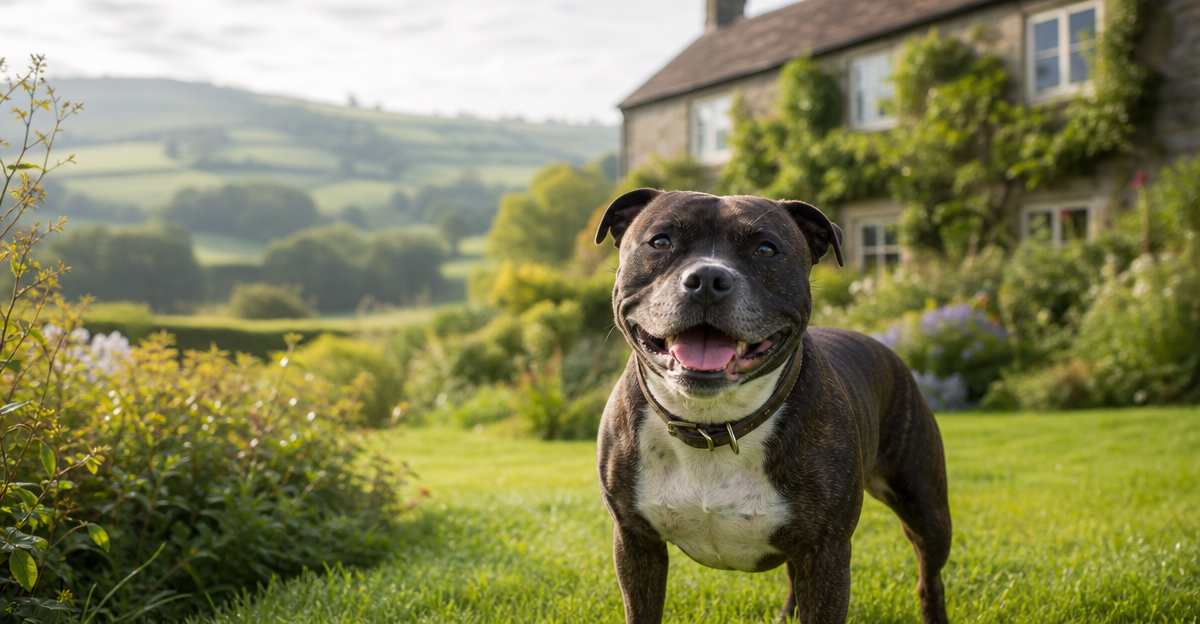
The UK is genuinely one of the best countries in the world for travelling with a dog. Thousands of beaches, pubs, cottages and hotels welcome dogs, and the infrastructure around dog-friendly travel has improved enormously in recent years. But 'dog-friendly' means very different things in different places, and a holiday that's perfect for a confident Labrador can be miserable for an anxious rescue.
This guide covers the best dog holidays UK owners can plan: the strongest destinations, how to choose the right type of stay for your dog (not just for you), what to ask before you book, and the red flags that suggest a place is less welcoming than it claims. There's also a section for owners whose dogs are genuinely better off staying home, because that's a real and valid option too.
Key Takeaways
- Northumberland, the Yorkshire Dales, Pembrokeshire and Norfolk are among the most consistently dog-friendly destinations, with fewer seasonal restrictions than headline regions like Cornwall or the Lake District.
- 'Dog-friendly' and 'dogs allowed' are not the same thing. Look for enclosed outdoor space, dog-specific amenities and clear policies on dining, not just a tick-box permission.
- The type of stay matters as much as the destination. Cottages suit routine-sensitive dogs; hotels with dining rooms require more planning around where your dog spends the evenings.
- Seasonal beach restrictions apply at many popular UK beaches between May and September. Always verify with the local council before you travel, not just with the accommodation.
- Ground-nesting bird season (broadly March to July) means dogs must be kept on leads across large areas of moorland, heathland and coastal paths, even in areas that are otherwise off-lead friendly.
- If your dog finds new environments stressful, a professional pet hotel may give them a better experience than travelling. Tailstays lists over 2,700 licensed pet hotels across the UK.
What Makes a Dog Holiday Actually Work (and What Usually Goes Wrong)
The gap between 'dogs allowed' and genuinely dog-friendly is wider than most listings let on. A truly dog-friendly stay has thought about what a dog actually needs: somewhere secure to run, somewhere to dry off after a wet walk, somewhere to sleep that isn't a designated corner of one specific room. Welcome packs, dog menus, enclosed gardens and no breed restrictions are signals that a property has gone beyond tokenistic permission.
The most common planning mistakes are surprisingly avoidable. Owners book a beach holiday in Cornwall without checking whether their chosen beach has summer restrictions. They assume a 'dog-friendly hotel' means any room, when in practice it often means one or two rooms on the ground floor that go fast. They don't ask about dog number or size limits, only to discover on arrival that their two medium-sized dogs exceed the policy.
Accommodation type matters more than most destination guides acknowledge. A self-catering cottage gives you full control over your dog's routine, no worry about disturbing other guests at 6am, and usually a garden. A hotel in a busy town might be a better base for exploring, but it requires more thought about mealtimes and where your dog sleeps while you eat. Neither is better in the abstract. It depends on your dog.
One thing worth naming before you plan: the UK's most-hyped dog destinations, the Lake District and Cornwall in particular, are also its busiest. Peak season means crowded paths, crowded car parks and crowded beaches. For anxious or reactive dogs, this can cancel out everything that makes those places special. The best destination for your dog might be the quieter alternative next door.
Choosing the Right Destination for Your Dog (Not Just for You)
Coastal destinations
Northumberland is the strongest case for year-round coastal dog holidays in England. Most beaches, including Bamburgh, Seahouses and the wide dune systems around Druridge Bay, have no summer dog restrictions. That's the single biggest practical differentiator from Cornwall and Devon, where seasonal rules at popular beaches require careful planning. Northumberland is also genuinely uncrowded by southern standards, which makes it worth considering for dogs who find busy environments overwhelming.
Cornwall requires a more nuanced picture than most guides give it. Groomers Online cites figures suggesting around 150 beaches are dog-friendly year-round, 73 have seasonal restrictions and only five carry total bans. These figures appear to originate from Visit Cornwall marketing materials, and the numbers shift depending on how you define a 'beach' (named coves, stretches of sand and official access points are counted differently by different sources). Treat those figures as directionally useful, not as gospel. St Ives has its own seasonal complexity. The practical advice is simple: identify your specific beach and check with the local council or National Trust directly, not just with your accommodation's website.
Pembrokeshire and the Gower Peninsula in South Wales offer year-round dog access at some of the UK's best beaches, including Rhossili Bay and Barafundle Bay, with far less tourist pressure than southwest England. If Cornwall is your instinct, Pembrokeshire is worth comparing seriously.
Kent and Deal are chronically underrated by dog holiday guides that default to the same seven or eight destinations. For owners based in southeast England, the shingle beaches around Deal and Sandwich Bay are accessible, less seasonal in their restrictions and surrounded by genuinely dog-friendly pubs and inns. The Rose in Deal is one Guardian-cited example of the quality of accommodation in the area, though their pricing data comes from an article explicitly labelled over three years old and shouldn't be taken as current.
Countryside and national park destinations
The Yorkshire Dales has invested more than most national parks in making walking genuinely accessible for dogs at all fitness levels. The Dales has developed a network of routes designed to avoid barriers that can make rural walking difficult. It's worth verifying current details with the Yorkshire Dales National Park Authority directly, but the intent is real and practically useful.
The Peak District is well-served by dog-friendly pubs, and the region has a strong pub culture that caters well to dogs. What's more reliably true is that the Monsal Trail (a former railway line, largely traffic-free) and the grounds around Chatsworth are among the better dog-friendly walking experiences in the Midlands. Accessible, varied terrain and a strong pub culture make it a solid choice for a long weekend.
The North York Moors combine moorland and coast in a way few destinations match. Robin Hood's Bay, Whitby Abbey grounds and Helmsley Castle are all genuinely dog-friendly visitor experiences. The moors themselves are excellent, but be aware of ground-nesting season restrictions (see the Research Before You Go section below for full details).
The Lake District earns its reputation. The density of dog-friendly pubs, the variety of walking terrain and the sheer number of properties geared towards dogs with muddy paws make it one of the best regions in the UK. But it's also one of the busiest. Go off-peak if you can, especially with a dog who finds crowds stressful. Weekend visits in July and August to popular valleys can feel more like an endurance event than a holiday.
Scottish and Welsh options
Isle of Skye has fewer dog-friendly hotels than comparable mainland destinations, though this is changing. The Guardian highlighted Bracken Hide, which opened in Portree in 2023, as an example of the kind of considered, dog-welcoming property the island had previously lacked. The appeal isn't primarily the accommodation; it's the vast open landscape, the low population density outside summer and the absence of the crowd pressure that affects the Lake District or Cornwall at peak times.
Perthshire and Clackmannanshire are niche but excellent for dogs who need space and low stimulation. Estate stays, red kite feeding sites and the growing beaver population around Tayside make for genuinely unusual walking. If your dog needs countryside that isn't shared with a hundred other dogs on a Saturday morning, this is worth considering.
Pembrokeshire and the Gower are covered above under coastal destinations, but they sit equally comfortably in a Welsh countryside context. The Brecon Beacons (now Bannau Brycheiniog) deserve a mention for walking variety, though trail conditions and access points vary and it's worth checking the national park website for any seasonal restrictions before you go.
Underrated destinations competitors overlook
The Isle of Wight is genuinely good and largely ignored by dog holiday guides. The ferry crossing adds a sense of occasion, beaches including Shanklin have reasonable dog access, and the island has a strong self-catering and small hotel infrastructure. The Guardian cites Luccombe Manor as a family-friendly dog-welcoming option, though again, pricing from an article over three years old shouldn't be treated as current.
Norfolk, particularly the coast between Cromer and Wells-next-the-Sea, has what feels like a disproportionately dog-obsessed accommodation culture. Many properties actively welcome dogs rather than merely tolerating them. The terrain is flat and easy, which suits older dogs or dogs recovering from injury. Beach access restrictions are generally lighter than in the southwest.
Shropshire and the Cheshire countryside rarely appear on dog holiday lists, which is precisely why they're worth naming. Quiet market towns, low tourist pressure and a good density of dog-friendly country pubs make them ideal for dogs who find busy environments stressful. You won't be sharing a narrow path with fifty other dog walkers on a bank holiday weekend.
Tailstays lists pet hotels across many of these regions if you need boarding options while you're away, or if you're looking for a back-up plan. You can search by location on Tailstays to see what's available near your destination.
Picking the Right Type of Stay
Self-catering cottages
For most dogs, a self-catering cottage is the easiest holiday format. Your dog can sleep where it wants, eat at its normal time, and decompress in a garden without an audience. There are no dining-room politics and no one to bother if your dog decides 5.30am is a reasonable time to start the day.
The questions to ask before booking are specific. Is the garden actually enclosed, or does 'garden' mean an unfenced patch of grass? Many listings describe outdoor space that is not secure. Ask how many dogs are permitted: some cottage lets cap at one small dog and won't negotiate. Check the flooring if you have a muddy-pawed breed, and ask whether there's an outdoor tap, hosepipe or shower for post-walk clean-ups. A cottage without any washing-down facility is a different proposition after a moorland walk in February. For anxious or routine-dependent dogs, our guide to managing separation anxiety has useful pointers on settling a dog into unfamiliar surroundings.
Dog-friendly hotels and inns
Hotels and inns make more sense for shorter trips or destinations where you want meals provided and local knowledge on tap. The trade-off is less control over your dog's environment and more variables to manage around mealtimes.
The most important thing to understand: 'dog-friendly hotel' almost never means every room accepts dogs. It usually means one to three specific rooms, often on the ground floor, often booked months in advance by people who already know this. Book early, or phone to confirm availability before you search for dates. Also ask explicitly whether your dog can join you in the restaurant or bar for dinner, or whether they must stay in the room while you eat. This is not always clear from listings and it materially affects the experience.
Dog supplement charges are common, typically somewhere in the range of £10 to £40 per night for individual properties cited in the Guardian's dog-friendly stays coverage, though this varies widely and isn't universal. Cottages and glamping sites often include dogs in the base rate. Always confirm before booking what the supplement covers, because at some places it covers nothing except permission.
Based on listings in our directory, Tailstays has pet hotels across many of the UK's most popular dog holiday regions, with strong coverage in cities including York (25 listings), Leeds (25) and Bristol (20), and listings available across England and Wales. You can search and compare options by location.
Glamping (shepherd's huts, cabins, treehouses)
Glamping has quietly become one of the better formats for dog holidays. Many sites are more flexible on dog numbers and breeds than mainstream hotels, and the structure of a shepherd's hut or cabin, usually with its own enclosed outdoor area and few immediate neighbours, suits dogs who find shared spaces overstimulating.
The practical watch-outs are worth checking. Many glamping sites are on working farms or surrounded by livestock, which typically means lead-only access beyond your immediate pitch. Wood-burning stoves, a feature in many shepherd's huts, require careful thought if you have a dog who lies close to heat sources. Ask whether the outdoor space is fenced, and whether you're likely to have neighbouring pitches close enough that a barky dog will cause problems.
Camping
Camping is generally the most flexible and lowest-cost format for dog holidays. Most campsites are relaxed about dog numbers and sizes in a way that hotels are not. Some coastal and moorland sites restrict dog access to certain areas of the site or surrounding land between March and July due to ground-nesting bird season (see the Research Before You Go section below for full details). The Guardian noted this specifically for Shetland, but the principle applies across moorland and coastal grassland throughout the UK. Check with the specific site before you go.
What to Ask Before You Book
Questions to ask the accommodation
- Are all rooms or units dog-friendly, or just specific ones? If the latter, which ones, and are they available on your dates?
- What is the maximum number of dogs, and are there any size or breed restrictions?
- Is the outdoor space genuinely enclosed and secure?
- Can dogs join you in the restaurant or dining room, or must they stay in the room during mealtimes?
- Is there a dog supplement charge, and what does it actually cover?
- Is there an outdoor shower, hosepipe or washing-down area for muddy dogs?
- What is the policy on dogs on furniture or beds?
- Are dog beds, bowls or welcome packs provided, or should you bring everything?
- Can dogs be left alone in the room if you need to go somewhere dog access isn't permitted?
Things to research before you go
Beach access restrictions are the most common source of on-the-ground disappointment. Check the specific beach you plan to use with the local council or National Trust directly, and note which months restrictions apply. Don't rely on your accommodation's website, which may not be kept up to date or may only mention the closest beaches.
Ground-nesting season, broadly March to July, means dogs must typically be kept on leads on heathland, moorland and coastal dune systems. This affects large parts of the Lake District, North York Moors, Peak District and many coastal areas, and applies to camping and glamping sites in those zones as well. Check the relevant national park or Natural England guidance before you plan your walking routes.
Ring local pubs and restaurants ahead if you're planning to eat out with your dog. 'Dog-friendly pub' in a directory listing sometimes means dogs in the beer garden only, which is a different proposition in November. A quick phone call saves a lot of disappointment.
If you're driving, plan rest stops for journeys over two hours. If you're taking the train, most UK operators allow well-behaved dogs free of charge, but policies vary across operators and can change. Confirm with your specific operator before you travel.
Preparing Your Dog for the Holiday
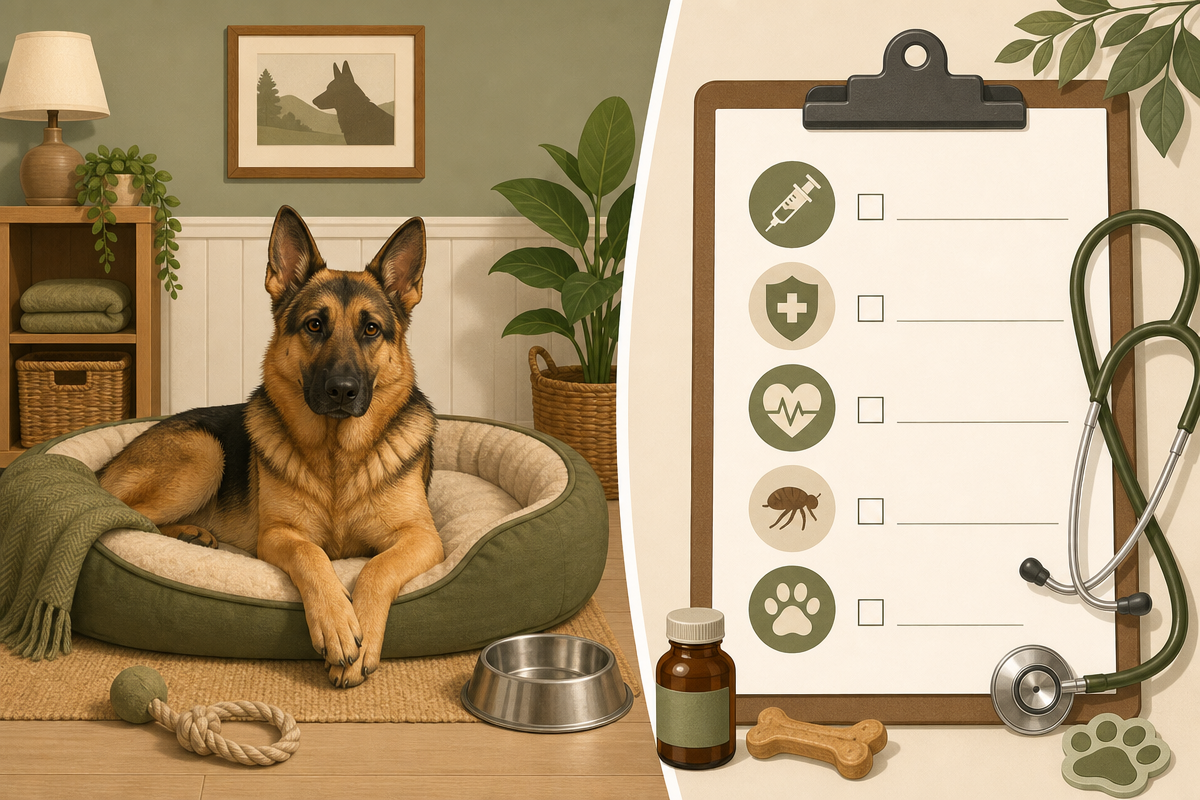
A pre-trip vet check is worth considering if you're visiting countryside or moorland, particularly for tick and flea prevention. The risk from ticks in rural areas is real, and year-round treatment is the safest approach, but if your dog's treatment is due around your travel date, update it before you go rather than after.
Under the Control of Dogs Order 1992, any dog in a public place in England must wear a collar displaying the owner's name and address. Update the tag with a contact number that will actually be answered while you're away. Microchip records should also be up to date: microchipping has been a legal requirement for all dogs in England since 2016, and your holiday contact details won't appear there, but your registered address and phone number should be current in the database.
Pack your dog's own bedding or a familiar blanket. The scent reduces anxiety in a new environment, particularly on the first night. Bring enough of your dog's regular food for the whole trip: don't assume local pet shops will stock specialist or prescription diets. Add collapsible bowls, a travel water bottle, poo bags, a tick remover and basic first aid supplies. Our packing checklist for dog boarding covers most of what a dog needs away from home, and it translates neatly to a holiday context.
Car travel requires dogs to be properly restrained. The Highway Code specifies that animals must be suitably restrained so they cannot distract the driver or injure themselves or others if you stop quickly. A loose dog in the footwell or on the back seat is not compliant. A crate, dog guard or seatbelt harness all satisfy the requirement. This is not obscure small print; it's a motoring offence if it contributes to an accident. For the full picture, see our guide to dog car safety and UK law.
Red Flags: Signs a Stay Isn't as Dog-Friendly as Advertised
Most genuinely dog-friendly places are upfront about what they offer. The following patterns suggest a property may have added a dog policy as an afterthought rather than a feature.
- 'Dogs welcome in certain areas only', with no explanation of what those areas are or whether they're usable.
- A dog supplement charged, but no dog-specific amenities listed or provided on arrival.
- No mention of enclosed outdoor space, or vague phrasing like 'access to grounds' without confirming security.
- Breed restrictions buried in the small print that weren't mentioned in the headline listing or initial enquiry response.
- Guest reviews mentioning that staff were noticeably less welcoming to dogs than the listing suggested.
- No clear policy on whether dogs can be left alone in rooms. This matters if you want to eat somewhere that doesn't allow dogs, or visit an attraction with a no-dogs policy.
If a property can't answer the questions in the checklist above clearly and confidently, that tells you something.
What If Your Dog Can't Come With You?
Not every dog is suited to travel, and recognising that is genuinely the kindest thing you can do for them. Anxious dogs, elderly dogs, dogs with medical needs that require a familiar routine, and dogs who find every new environment a source of stress may have a better week at home in professional care than being dragged around a busy coastal town in August. Our guide to boarding your dog for the first time is a good starting point if the idea makes you nervous.
The options for dogs who stay home are professional boarding kennels, licensed home boarders and dog sitters who work in the owner's own home. In England, both boarding kennels and home boarding (where the carer looks after your dog in their own home) require a licence under the Animal Welfare (Licensing of Activities Involving Animals) (England) Regulations 2018, with Wales having similar requirements under separate legislation. This is worth verifying when you search: ask any boarding provider to confirm their licence number and the local authority that issued it. Our home boarding versus kennels comparison can help you decide which format suits your dog best.
When assessing a pet hotel or home boarder, ask about staff-to-dog ratios, daily exercise routines, and how they handle veterinary emergencies. A licensed facility is inspected by the local authority, though inspection frequency depends on the star rating awarded, with higher-rated facilities sometimes inspected every two to three years rather than annually.
Tailstays lists over 2,700 pet hotels across the UK. Search by postcode to find licensed options near you. Based on listings in our directory, York, Leeds, Bristol and London have strong concentrations of pet hotels if you're based in or around those cities.
A good boarding stay isn't a consolation prize. For the right dog, it's the better holiday.
Frequently Asked Questions
Which UK region has the most dog-friendly beaches with no seasonal restrictions?
Northumberland is consistently the strongest option for year-round beach access. Most beaches, including Bamburgh and Seahouses, carry no summer dog bans, which sets the region apart from Cornwall, Devon and many other popular coastal destinations where restrictions typically apply between May and September. Always verify the specific beach with the local council before you travel.
Do I need to pay extra to bring my dog to a UK hotel?
Most dog-friendly hotels charge a supplement. Individual properties cited in the Guardian's dog-friendly stays coverage quote charges in the £10 to £40 per night range, though this varies widely and is not universal. Self-catering cottages and glamping sites more often include dogs in the base rate. Always confirm before booking, and ask what the supplement actually covers.
What's the difference between 'pet-friendly' and 'dog-friendly'?
'Pet-friendly' is a broader label that can mean cats are permitted but dogs are not, or that the policy applies only to small pets. It can also mean dogs are technically allowed but the property hasn't thought about what dogs actually need. Always specify that you have a dog when enquiring, state how many and their size or breed, and read the small print before assuming any 'pet-friendly' label includes your dog on the terms you'd expect.
Can my dog travel free on UK trains?
Many UK train operators allow well-behaved dogs free of charge, often up to two dogs per adult passenger. But policies differ between operators and can change seasonally. Confirm with your specific operator before you travel rather than assuming the same rules apply across the network.
Should I bring my dog's vet records on holiday?
Yes, particularly if you're travelling somewhere unfamiliar. If your dog needs emergency veterinary care away from home, having vaccination records and any relevant medical history speeds up the process significantly. It's also worth carrying your pet insurance policy details, including the emergency contact number, separately from your phone in case you lose it.
What if my dog is too anxious to enjoy a holiday?
Some dogs genuinely find unfamiliar environments distressing, and no amount of careful planning fully changes that. If your dog is anxious, reactive, elderly or has medical needs that depend on routine, a professional pet hotel or licensed home boarder may give them a calmer, happier week than travelling would. Tailstays can help you find licensed boarding options close to home.